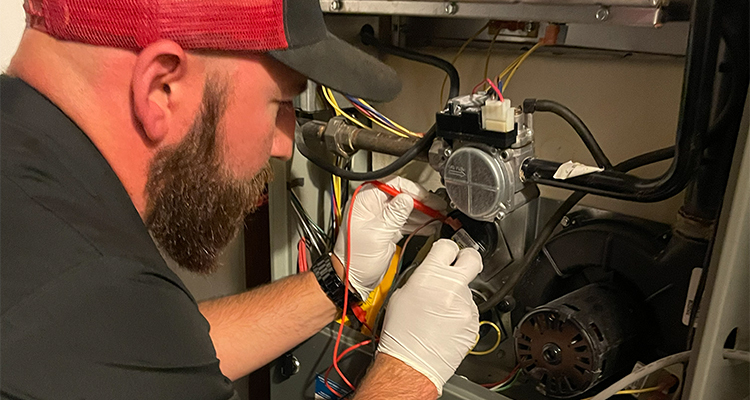
Consistent furnace and boiler performance depends on precise electrical readings and sensor accuracy, which prevent system failures and ensure the unit operates at its peak energy efficiency rating.
Cold weather places consistent stress on residential heating systems. As temperatures drop across Calgary, furnaces and boilers work longer hours under heavier demand. Systems that perform well during mild conditions may begin to show efficiency loss, uneven heating, or mechanical strain once deep winter arrives.
Understanding how cold weather affects furnace and boiler performance helps homeowners identify problems early and plan boiler or
furnace maintenance service before disruptions occur.
Heating systems respond directly to outdoor conditions. Extended cold cycles influence fuel usage, airflow, pressure balance, and component wear. This applies equally to forced air furnaces and hydronic boiler systems.
Increased Runtime and System Load in Cold Weather
When temperatures drop, heating systems move from short cycles to longer runtimes. Furnaces may run for extended periods. Boilers may maintain higher output for longer stretches. This increases wear on burners, heat exchangers, blower motors, pumps, and controls.
Residential energy use data show that of most household energy, about 79% goes to space and water heating. That demand peaks during cold weather, which is when systems are under the most load.
Long runtime also makes small issues more obvious. Restricted airflow, weak ignition, or unstable combustion can start showing up as slower warm-ups and uneven comfort.
Fuel Efficiency Declines as Temperatures Drop
Furnace and boiler efficiency depend on stable combustion and heat transfer. Cold outdoor air affects both. Furnaces draw in colder air for combustion, which can alter burner performance. Boilers experience increased heat loss through piping and distribution systems when ambient temperatures remain low.
Efficiency losses often appear as higher utility bills without improved comfort. Systems consume more fuel to maintain the same indoor temperature. This does not always indicate a failure. It often signals that components are compensating for increased thermal demand.
Over time, this increased fuel consumption accelerates wear. Addressing efficiency concerns early reduces the likelihood of requiring furnace repair in Calgary during peak winter periods.
Furnace Performance Challenges During Prolonged Cold
Cold weather impacts furnace airflow and heat delivery. Denser cold air increases resistance within ductwork. Blower motors must work harder to move warm air throughout the home. Any existing airflow restriction becomes more pronounced during winter.
Extended heating cycles also increase thermal stress on heat exchangers. Over time, this stress contributes to metal fatigue and efficiency loss. These issues commonly lead homeowners to schedule furnace repair in Calgary during prolonged cold periods.
Boiler Performance Challenges in Cold Conditions
Boilers respond differently to cold weather but face similar performance challenges. Hydronic systems rely on consistent water temperature and pressure to distribute heat evenly. Cold conditions increase heat loss along pipes, especially in basements, crawl spaces, and exterior walls.
As outdoor temperatures drop, boilers must maintain higher output to offset thermal losses. Circulation pumps work harder to move heated water through colder piping. Expansion and contraction cycles increase stress on seals, valves, and pressure relief components.
Uneven heating across zones often becomes noticeable in winter. Radiators or baseboards farther from the boiler may receive less heat when demand is high. This can indicate circulation issues or developing mechanical wear that leads to
boiler repair in Calgary.
Pressure and Temperature Fluctuations in Boilers
Cold weather influences boiler pressure balance. As water heats and cools repeatedly, pressure fluctuations increase. Expansion tanks must absorb these changes to protect the system. When expansion tanks or pressure valves weaken, pressure irregularities become more frequent during cold periods.
Pressure issues can trigger system shutdowns or safety lockouts. Homeowners may experience intermittent heat or system resets. These conditions often require professional boiler repair in Calgary to restore safe operation.
In extreme cases, pressure-related faults lead to emergency boiler repair in Calgary when systems shut down during freezing conditions. Addressing pressure stability before winter reduces this risk significantly.
Cold Air Infiltration and Heat Loss Effects
Cold weather increases heat loss throughout the home, placing additional demand on both furnaces and boilers. As outdoor temperatures drop, heat moves continuously from warmer indoor spaces to colder exterior surfaces. Walls, ceilings, floors, windows, and doors all become pathways for heat loss during winter conditions.
Natural Resources Canada explains this process clearly in its Keeping the Heat In guide:
Heat always flows from a warmer area to a cooler area. In cold weather, heat flows out of the house through walls, ceilings, floors, windows and doors, forcing the heating system to operate longer to maintain indoor temperatures.
As heat escapes more rapidly, furnaces respond by running longer heating cycles, while boilers maintain higher water temperatures for extended periods. This increased runtime does not always indicate a mechanical fault. It reflects the added workload caused by cold weather heat loss.
When heat loss exceeds what the system can comfortably offset, homeowners may notice uneven room temperatures, longer recovery times, or rising energy bills. These conditions often lead to service calls for furnace or boiler repair in Calgary, even when the equipment itself is operating correctly under extreme winter demand.
Older Systems Feel Cold Stress More Quickly
Aging furnaces and boilers are less tolerant of prolonged cold exposure. Components that function adequately in mild weather may struggle under sustained winter demand. Efficiency losses compound, and minor issues escalate faster.
Older systems also lack modern efficiency controls that adjust output dynamically. This results in higher fuel consumption and uneven comfort during cold spells.
Homeowners with aging equipment often consider furnace installation in Calgary after experiencing repeated issues with their furnace’s winter performance. Similarly, boiler systems nearing end of life show increased service needs during extended cold cycles.
When Cold Weather Signals the Need for Service
Cold weather exposes system weaknesses. Warning signs include longer heating cycles, uneven warmth, unexplained shutdowns, pressure warnings, and rising energy bills.
Ignoring early symptoms often results in emergency service calls during extreme conditions. Proactive furnace repair in Calgary and boiler repair in Calgary helps stabilize performance before systems reach failure points.
Preparing Heating Systems for Cold Weather Performance
Cold weather preparation focuses on inspection, cleaning, and calibration. Furnaces benefit from airflow evaluation and burner inspection. Boilers benefit from pressure testing, circulation assessment, and valve inspection.
Canadian energy authorities consistently highlight preventative maintenance as the most effective way to maintain heating reliability during winter extremes.
Final Thoughts
Cold weather amplifies every aspect of furnace and boiler operation. Increased runtime, fuel demand, pressure stress, and heat loss all influence system performance. Understanding these impacts allows homeowners to respond early and avoid emergency heating disruptions.
Reliable winter comfort depends on systems that are prepared for sustained cold, not just occasional temperature drops.
About us
Jack’d Up Plumbing provides reliable residential plumbing and heating services for homeowners across Calgary. Our work is grounded in licensed expertise, practical problem solving, and a clear understanding of how Calgary homes respond to seasonal demand.
We focus on doing the job properly, not rushing through service calls or relying on shortcuts. Whether a system is under strain during cold weather or showing early warning signs, our approach is to diagnose the issue accurately and recommend solutions that make sense for the home and the situation.
Homeowners trust us because we communicate clearly, respect their space, and deliver work that holds up under real use. No exaggerated promises. No unnecessary upselling. Just professional service built around long-term reliability.
If your furnace or boiler is struggling to keep up with cold weather, or if you want experienced guidance before small issues turn into major problems,
contact us today. Our team is ready to help you restore comfort and confidence in your home’s heating system.