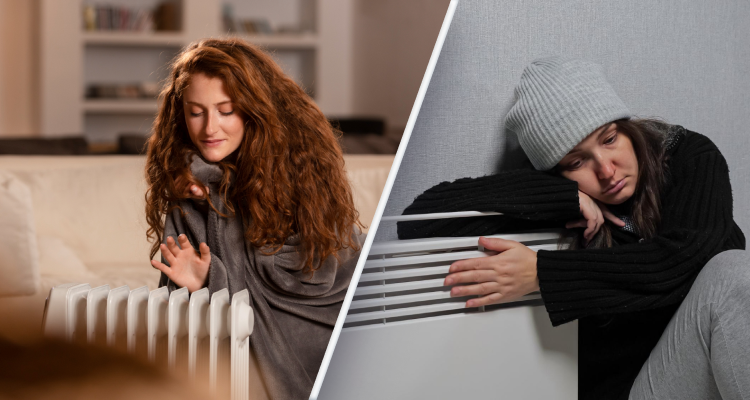
Addressing uneven heating often involves inspecting for blocked vents, leaky ductwork, or poor insulation to ensure that every room in your home reaches a consistent, comfortable temperature.
Uneven heating is a common concern for Calgary homeowners in winters. Some rooms feel warm while others remain cold. This imbalance affects comfort, energy use, and system performance during extended cold periods.
Many homeowners first notice uneven heating during prolonged cold snaps. Calgary winters place constant demand on heating systems. Small issues become noticeable when furnaces and boilers run for long cycles.
Before winter conditions worsen, it is advisable to seek help from
professional residential heating repair services in Calgary to understand what causes uneven indoor temperatures and how professional inspection helps restore balance.
Understanding the causes of uneven heating helps prevent long term discomfort and unnecessary strain on heating equipment.
Why Uneven Heating Is Common in Calgary Winters
Calgary experiences rapid temperature changes during winter. Cold air infiltration and heat loss increase when outdoor temperatures drop quickly. Homes built in different decades often have varied insulation standards.
Long heating cycles amplify system weaknesses. Distribution problems become more noticeable when furnaces and boilers operate continuously. Minor airflow or circulation issues can affect entire floors.
Uneven heating is rarely caused by a single issue. Multiple factors often work together, especially during prolonged winter weather.
1. Improper Furnace or Boiler Sizing
Heating systems must match the square footage and layout of the home. An undersized furnace or boiler cannot deliver enough heat during peak winter demand. Rooms farthest from the unit feel colder first.
Oversized systems create a different problem. They heat spaces too quickly and shut off before the heat distributes evenly. This short cycling reduces comfort and efficiency.
Short cycling also increases mechanical stress. Components wear faster due to frequent starts and stops. Heat fails to reach upper floors or distant rooms.
Sizing problems often surface during extreme cold spells. The system reaches its limit and cannot maintain balanced temperatures. Calgary winters expose these issues quickly.
Professional load calculations help prevent these difficulties. Accurate sizing accounts for insulation, layout, and climate conditions.
2. Restricted or Unbalanced Airflow
Airflow controls how heat moves through a home. Blocked vents reduce warm air delivery to specific rooms. Closed or mis-adjusted dampers restrict circulation across floors.
Dust buildup inside ducts also limits airflow. Dirty filters force systems to work harder while reducing heat output. Rooms near the furnace feel warmer than distant areas.
Furniture placement affects airflow more than homeowners expect. Rugs or furniture covering vents trap heat below floor level. This creates uneven temperatures across the same space.
Unbalanced airflow causes pressure differences inside the system. Some rooms receive excess heat while others remain cold. Over time, this imbalance strains the heating equipment.
Professional airflow balancing restores proper distribution. It helps deliver consistent warmth throughout the home during winter.
3. Aging or Poorly Maintained Heating Equipment
Heating equipment experiences gradual wear over time. Burners lose combustion efficiency. Heat exchangers transfer less heat as surfaces degrade.
Circulation components also weaken. Fans, pumps, and motors move heat less effectively. Output becomes uneven during long winter heating cycles.
Maintenance gaps accelerate these problems. Dirty filters restrict airflow and reduce heat delivery. Dust buildup inside components limits system performance.
Worn parts struggle to maintain steady output. Heat levels fluctuate between cycles. Some rooms warm more slowly than others.
Older systems often cannot meet Calgary’s winter demands. Extended runtimes expose reduced capacity. Uneven heating becomes more noticeable as temperatures drop.
4. Ductwork or Hydronic Distribution Issues
Ducted heating systems depend on airtight and balanced ductwork. Leaks allow heated air to escape into wall cavities. Living spaces receive less warmth.
Poor duct layout increases pressure loss. Longer runs reduce airflow to distant rooms. Upper levels often feel colder.
Hydronic boiler systems rely on smooth water circulation. Air trapped in piping reduces heat transfer efficiency. Some radiators receive less heated water.
Improper pipe sizing also affects distribution. Heat delivery varies between rooms. Temperature imbalance becomes persistent during winter.
Distribution problems waste energy. Heat never reaches its intended areas. Professional inspection helps identify and correct these issues.
5. Thermostat Placement or Calibration Problems
Thermostat placement directly impacts heating performance. Units installed near windows respond to cold drafts. Those placed near vents sense heat too quickly.
Incorrect readings cause premature system shutdown. Heating stops before warmth reaches all rooms. Temperature imbalance becomes noticeable during extended winter cycles.
Calibration issues also reduce accuracy. Aging thermostats drift from true temperature readings. Small errors create significant comfort differences.
Programmable settings can worsen uneven heating. Inconsistent schedules cause irregular heating patterns. Some rooms never fully warm.
Professional calibration restores accurate control. Proper placement helps maintain consistent temperatures throughout Calgary homes.
6. Insufficient Insulation in Key Areas
Heat escapes through poorly insulated areas. Attics, basements, and exterior walls contribute to uneven temperatures. Garages also play a role.
The Government of Canada explains this clearly through Natural Resources Canada. Heating accounts for more than
60% of energy use in the average Canadian home.
Heat loss forces heating systems to work harder. Rooms near exterior walls lose warmth faster than interior spaces.
Insulation gaps force heating systems to work longer. Extended runtimes increase wear and energy use. Uneven heating becomes persistent during prolonged winter conditions.
7. Zoning System Issues or Lack of Zoning
Zoning systems regulate temperatures by area. When zoning components fail, heat distribution becomes inconsistent. Dampers may remain stuck open or closed.
Faulty zone controls disrupt airflow balance. Some areas receive excess heat. Others receive very little warmth.
Homes without zoning face similar challenges. A single thermostat cannot regulate multi-level homes effectively. Upper floors often feel colder during winter.
Zoning issues create ongoing comfort problems. Temperature differences between floors increase during extended cold weather.
8. Heat Loss From Attached Garages and Adjacent Spaces
Attached garages significantly affect the indoor heating balance. Poorly insulated garage walls allow cold air transfer. Shared walls and ceilings lose heat rapidly.
Rooms beside or above garages feel colder during winter. Heating systems struggle to offset this constant heat loss. Temperature imbalance becomes noticeable.
Garage heaters also influence comfort. Underperforming units fail to stabilize temperatures. Heat loss spreads into connected living areas.
Garage-related heat loss often remains unnoticed. Problems become clear only during extreme Calgary winter conditions.
How Uneven Heating Affects Energy Use and System Wear
Uneven heating increases energy consumption. Systems run longer to compensate for cold areas. This raises utility costs during winter.
Poorly insulated homes lose heat through ceilings, walls, windows, and doors. Extended runtime increases mechanical wear. Components experience higher stress. Maintenance issues become more frequent.
Comfort also suffers. Cold rooms limit usable living space during the winter months.
When Uneven Heating Signals the Need for Professional Inspection
Minor heating imbalance sometimes resolves with simple adjustments. Persistent temperature differences usually indicate deeper system issues. Recurring cold rooms should not be ignored.
Uneven heating that returns after basic fixes suggests underlying faults. Airflow restrictions, sizing errors, or worn components often remain hidden. These problems worsen during prolonged winter operation.
Homeowners frequently request
professional furnace inspection services in Calgary when comfort issues persist. Repeated thermostat changes rarely solve structural or mechanical problems.
Professional inspection evaluates system performance under real winter conditions. Technicians assess airflow, combustion efficiency, and heat distribution. Equipment limits become clear during sustained cold weather.
Early inspection reduces the risk of sudden breakdowns. Addressing imbalance protects equipment and improves comfort. Timely service helps maintain consistent heating throughout Calgary winters.
Safety Considerations During Winter Heating Operation
Uneven heating can sometimes hide safety concerns. Reduced heat output may indicate combustion inefficiency. Venting problems also affect system performance and indoor air quality.
Blocked or poorly functioning vents restrict exhaust flow. This prevents proper removal of combustion gases. Heating systems may operate under unsafe conditions without obvious warning signs.
Carbon monoxide is a colourless, odourless gas that can be harmful or fatal when inhaled. Carbon monoxide buildup often develops silently. Uneven heating may appear before alarms activate. Prolonged winter operation increases this risk.
Professional inspection verifies safe combustion and proper venting. Technicians assess exhaust pathways and airflow. Early detection protects occupants during extended heating periods.
Routine safety checks support reliable operation. They help ensure heating systems perform safely throughout Calgary winters.
About Jack’d Up Plumbing
Jack’d Up Plumbing provides residential plumbing and heating services throughout Calgary. The team focuses on furnaces, boilers, and garage heaters for winter reliability.
If uneven heating affects your home,
contact us to schedule professional heating service and restore consistent comfort throughout your space.