Why Furnaces Fail During Temperature Swings In Calgary’s Late Winter
Apr 03, 2026
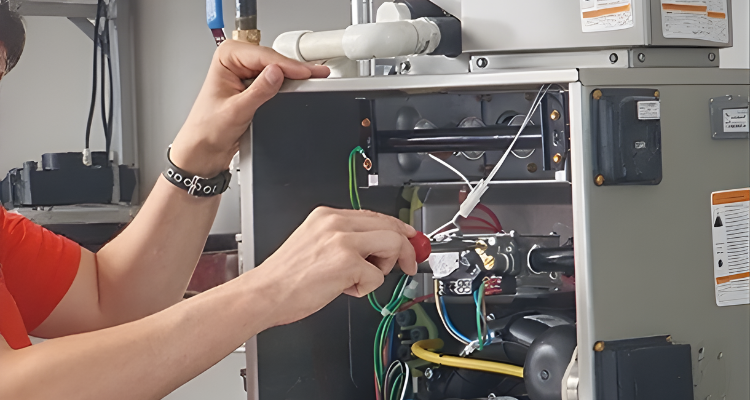
Understanding why furnaces fail during Calgary late winter swings often comes down to mechanical fatigue; extreme temperature shifts cause metal components to expand and contract rapidly, leading to cracked heat exchangers or sensor failures.
Late winter in Calgary rarely follows predictable patterns. Temperatures often shift from mild afternoons to freezing nights within hours. These sudden changes place significant strain on residential heating systems.
Your furnace must constantly adjust to maintain indoor comfort. Frequent starting and stopping increases wear on ignition systems, motors, and electrical controls.
Small performance issues can quickly develop into larger failures when temperatures fluctuate daily. Understanding how seasonal stress affects heating equipment helps you act early and avoid emergencies.
When heating performance begins to change, timely support from an experienced residential furnace repair in Calgary can help identify problems before they interrupt comfort or safety.
Understanding Calgary’s Late Winter Temperature Swings
Calgary’s late winter weather often shifts rapidly between freezing nights and warmer daytime temperatures. These freeze and thaw cycles force heating systems to adjust constantly. Your furnace must start and stop more frequently to maintain stable indoor comfort. Frequent cycling increases strain on ignition systems, blower motors, and electronic sensors. Moisture also becomes a concern during seasonal transitions. Condensation may develop inside venting systems or internal components, affecting safe and efficient operation. Energy demand also rises during unstable weather conditions. Natural Resources Canada explains that heating accounts for the largest share of energy use in Canadian homes. When heating demand increases suddenly, even minor furnace weaknesses may become noticeable. Late winter failures often result from accumulated seasonal stress rather than a single malfunction.How Temperature Changes Stress Furnace Components
Late winter failures rarely occur from a single cause. Instead, several parts experience gradual strain.Heat Exchanger Expansion and Contraction
Metal expands when heated and contracts when cooled. Daily temperature swings accelerate this movement. Repeated expansion weakens metal over time. Small fractures may develop without visible warning. Reduced efficiency often appears before total failure. Older furnaces are especially vulnerable because internal fatigue has already developed.Ignition and Electrical Control Problems
Modern furnaces depend heavily on sensors and electronic boards. Condensation caused by temperature changes may disrupt electrical signals. Humidity entering intake pipes or venting systems may affect ignition timing. Homeowners often notice delayed startup or sudden shutdowns. Electrical irregularities usually require professional diagnosis.Airflow Restrictions From Snow and Ice
Late winter melting creates slush and refreezing conditions. Exterior exhaust vents may partially freeze overnight. Restricted airflow interferes with combustion safety. Your furnace may shut itself off repeatedly as a protective response. Blocked vents remain one of the most overlooked seasonal causes of furnace repair calls.Common Furnace Problems Calgary Homeowners Notice During Late Winter
Many failures begin with subtle warning signs. Recognizing them early prevents larger repairs.Furnace Running but No Heat
The blower motor may operate normally while burners fail to ignite. Temperature fluctuations sometimes affect gas valves or sensors. Homeowners often assume the thermostat caused the issue. In reality, ignition components may already be failing.Furnace Short Cycling
Short cycling occurs when the furnace turns on and off rapidly. This often happens during mild afternoons followed by freezing evenings. Frequent cycling increases energy consumption and mechanical wear.Cold Air Coming From Vents
Cold airflow may signal overheating protection shutdowns. Dirty filters or restricted airflow often contribute during seasonal transitions. Ignoring this symptom may damage internal components.Furnace Stops Working Overnight
Many Calgary homeowners notice heating loss overnight. Exterior temperatures drop quickly after sunset. Frozen condensate drains or sensor faults commonly appear during colder night conditions. If these symptoms continue, scheduling emergency furnace maintenance service in Calgary helps prevent a complete breakdown.Why Older Furnaces Fail More Often During Seasonal Transitions
Age plays a significant role in late winter furnace failures. Components weaken after years of continuous heating cycles. Blower motors lose efficiency over time. Electrical wiring insulation becomes brittle. Bearings develop friction as internal wear increases. Older furnaces also struggle to respond quickly to changing outdoor temperatures. Rapid cycling during freeze and thaw conditions places additional strain on already worn parts. Many homeowners begin considering furnace installation Calgary when repair frequency increases. Replacement often restores consistent heating performance and improves system reliability. Efficiency also becomes an important factor as equipment ages. Energy-efficient equipment can significantly reduce energy consumption and operating costs. An inefficient furnace therefore affects both indoor comfort and long-term operating expenses.Emergency Situations That Require Furnace Repair Calgary Immediately
Some warning signs should never be ignored. Burning smells may indicate electrical overheating. Loud banging sounds often signal delayed ignition problems. Repeated shutdowns suggest safety sensors are detecting risk. Carbon monoxide exposure also becomes a concern during malfunctioning combustion. Carbon monoxide is a colourless, odourless, tasteless gas. Because it cannot be detected without alarms, professional inspection becomes essential whenever unusual furnace behaviour appears.Preventing Furnace Failure During Seasonal Temperature Changes
Preventive attention helps many homeowners avoid late winter heating emergencies. Calgary’s freeze and thaw conditions demand regular monitoring of furnace performance. Small maintenance actions often prevent unexpected shutdowns and expensive repairs. Consider these practical steps to protect your furnace during seasonal transitions:- Replace or clean furnace filters regularly to maintain proper airflow and reduce system strain.
- Inspect exterior intake and exhaust vents after snowfall or melting periods to prevent ice or debris blockage.
- Keep the area around your furnace clear to allow safe airflow and proper ventilation.
- Check thermostat accuracy and battery condition to prevent incorrect temperature readings or unnecessary cycling.
- Listen for unusual noises such as rattling or banging, which may signal early mechanical wear.
- Monitor humidity levels indoors since condensation buildup can affect sensors and electrical components.
- Schedule a professional inspection if the furnace begins short-cycling or struggles to maintain consistent temperatures.
- Ensure carbon monoxide detectors remain functional, especially during heavy furnace use periods.