What Furnace Size Do I Need? A Complete Guide to Proper Furnace Sizing in Calgary
Jan 05, 2024
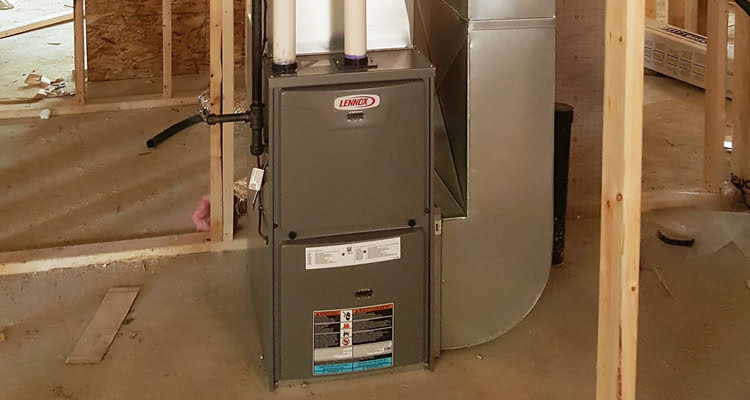
How to Determine the Right Furnace Size for Your Home
The correct furnace size is measured in BTUs (British Thermal Units), which represent the amount of heat a furnace can produce per hour. Many homeowners assume furnace size is based solely on square footage, but proper sizing requires a full heat load calculation.
Professional contractors calculate furnace size by evaluating:
-
Total square footage
-
Ceiling height
-
Insulation R-value
-
Window type and exposure
-
Air leakage
-
Ductwork efficiency
-
Local climate conditions in Calgary
This process is often referred to as a Manual J load calculation. It ensures the furnace delivers enough heating capacity without oversizing the system.
Size Matters: Impact On Energy Efficiency
The effectiveness of home heating depends on the furnace size. While an oversized unit may appear to promise superior heating, it frequently leads to inefficiencies. Imagine a large furnace constantly turning on and off, consuming excessive energy, and struggling to distribute warmth evenly. Conversely, an undersized furnace won’t be able to keep up, working overtime and falling short. The right-sized furnace strikes the perfect balance, optimizing energy usage and ensuring consistent comfort without unnecessary strain on utility bills. When contemplating furnace installation, a professional plumbing contractor’s expertise becomes paramount. They meticulously calculate the ideal size based on your home’s specifications, factoring in insulation, ductwork, and local climate conditions. Their precision guarantees that your heating system operates at its peak, resulting in a snug home and reduced energy costs.Furnace Size and Efficiency Ratings (AFUE)
Furnace efficiency is measured by its Annual Fuel Utilization Efficiency (AFUE) rating. High-efficiency furnaces convert a greater percentage of fuel into usable heat. However, even a high-AFUE system can underperform if improperly sized.
An oversized high-efficiency furnace may short cycle, reducing its effective efficiency. A properly sized system ensures that the rated efficiency translates into real-world energy savings.
Precision In Furnace Sizing: Key Considerations
Precision in furnace sizing involves a detailed evaluation beyond square footage. Here are a few factors to consider.- Home-Specific Assessment: Evaluate the unique characteristics of your home, including room layout, insulation quality, and window types.
- Insulation Impact: Efficient insulation affects heating demands, influencing the furnace size needed for optimal performance.
- Window Efficiency: Consider the type and efficiency of windows as they contribute to heat retention or loss, impacting heating requirements.
- Ductwork Efficiency: Efficiently designed and properly sealed ducts contribute to uniform heat distribution, influencing the required furnace size for balanced heating.
- Local Climate: Account for local weather patterns to size the furnace accurately, considering extreme temperatures or variable climate conditions.
Maximizing Comfort: The Sizing Equation
Properly sizing a furnace is crucial for maintaining optimal indoor climate—a balance between coziness and functionality. A professionally sized unit meets heating demands without overshooting, ensuring comfort without compromising efficiency. To size a furnace, contractors calculate the home’s total heat load—the thermal energy needed to keep it at a comfortable level. The calculation involves numerous factors, such as insulation, windows, and sun exposure. After expertly weighing all these elements, contractors determine the right capacity for your space. Plumbing contractors bring experience to this equation, considering layout, insulation, and heating requirements. They navigate the sizing equation with finesse, resulting in a system that harmonizes comfort and functionality, ensuring every corner of your home enjoys the warmth it deserves without compromising efficiency.Common Sizing Errors & Their Consequences
Oversizing increases energy consumption, uneven heating, and premature wear and tear. Undersized furnaces struggle to meet demands, causing discomfort, increased wear, and compromised air quality. These sizing errors disrupt comfort and efficiency, snowballing into substantial consequences post-installation. Professional contractors understand the importance of sizing and how it impacts performance, reliability, and energy efficiency. In addition to sizing, contractors are also well-versed in other factors that affect furnace performance. They consider each home’s unique needs, such as ductwork and airflow, which often require the attention of a professional technician.What Happens If a Furnace Is Oversized?
An oversized Furnace heats your home too quickly and shuts off before completing a full heating cycle. This process, called short cycling, causes:
-
Higher energy consumption
-
Uneven temperatures
-
Increased wear on components
-
Reduced system lifespan
Short cycling is one of the most common consequences of improper furnace sizing.
What Happens If a Furnace Is Too Small?
An undersized furnace runs continuously during cold weather but still struggles to maintain comfort. This leads to:
-
Constant operation
-
Cold rooms
-
Higher utility bills
-
Premature system wear
In colder Canadian climates, undersizing becomes especially noticeable during extended winter periods.
Why Climate Matters in Furnace Sizing
In colder regions like Calgary, furnace sizing must account for extended sub-zero temperatures. Undersized systems may appear adequate during mild weather but struggle during prolonged cold snaps.
Proper sizing ensures the furnace maintains consistent indoor comfort even during peak winter demand.
Sizing Up Success: Contractor Expertise
Success in furnace installation lies in the expertise of a professional plumbing contractor. Their role extends beyond mounting the unit; it’s about meticulously calibrating the furnace to align with your home’s needs. Their proficiency lies in analyzing intricate details beyond typical estimations, setting the stage for a heating system tailored to your home’s unique requirements. Contractors equipped with technical prowess and a keen understanding of local climate ensure your furnace fits numerically and optimizes comfort while minimizing energy consumption. Partnering with these experts elevates your home’s comfort while enhancing overall efficiency.Signs Your Furnace May Be Improperly Sized
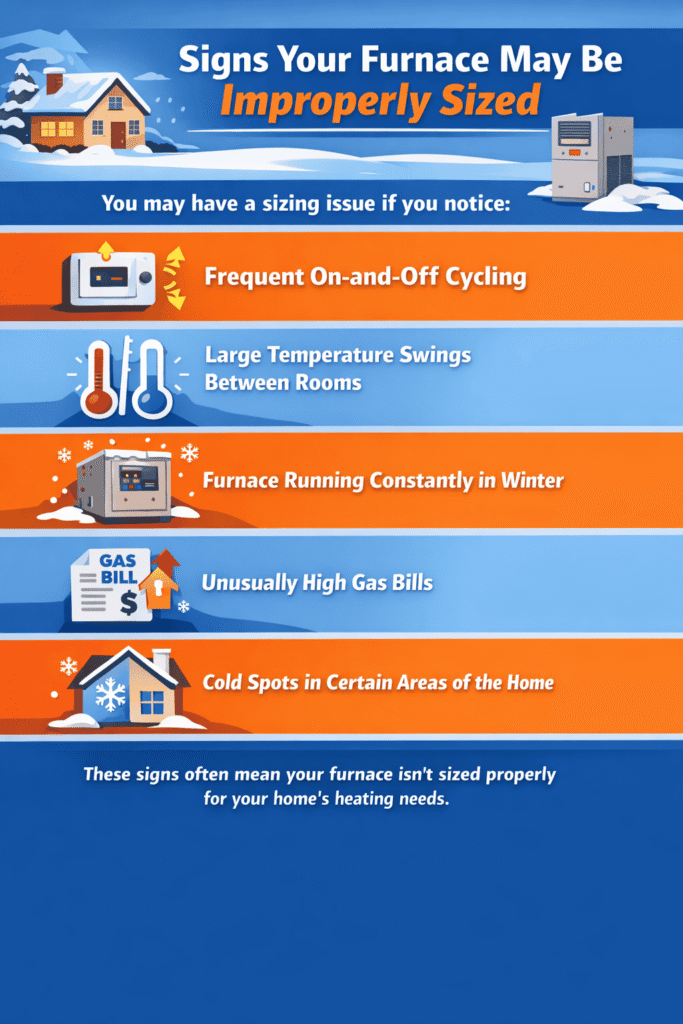
You may have a sizing issue if you notice:
-
Frequent on-and-off cycling
-
Large temperature swings between rooms
-
Furnace running constantly in winter
-
Unusually high gas bills
-
Cold spots in certain areas of the home
These signs often indicate that the furnace capacity does not match the home’s heating requirements.
About Jack’d Up Plumbing
Jack’d Up Plumbing is a trusted and licensed firm dedicated to serving the Calgary community. Our devoted team of seasoned plumbers is committed to providing high-quality services tailored to our client’s needs and budgets. Emphasizing excellence, we deliver comprehensive plumbing solutions for residential and commercial properties, including services like drain cleaning and general plumbing expertise. Visit our website and contact us today for further information if you’re searching for a qualified contractor.Frequently Asked Questions
What furnace size do I need?
The correct furnace size depends on your home’s heat load calculation, not just square footage. A licensed heating contractor evaluates insulation, window efficiency, layout, and climate to determine the proper BTU capacity.
How do I calculate furnace size?
Furnace size is calculated using a Manual J load calculation. This method analyzes heat loss and heating demand to determine the required BTU output.
Does furnace size matter?
Yes. An oversized furnace wastes energy and short cycles, while an undersized furnace runs continuously and struggles to maintain comfort.
What size furnace for 1300 sq ft?
A 1,300 sq ft home typically requires between 40,000 and 60,000 BTUs, but insulation levels and climate conditions significantly affect the final requirement.