How to Improve Furnace Efficiency in Calgary Homes This Winter
Feb 23, 2024
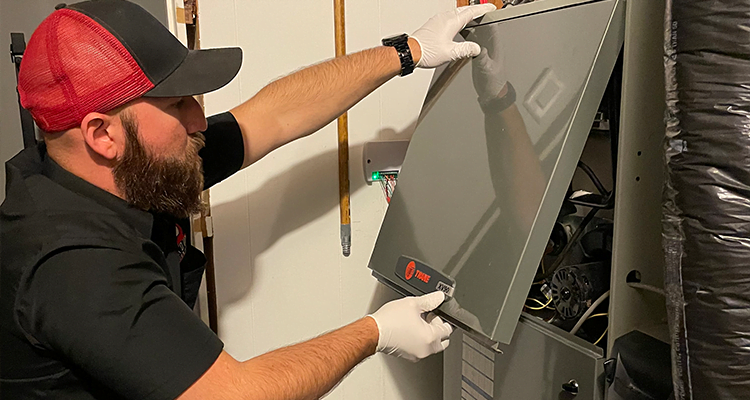
How to Improve Furnace Efficiency in Calgary Homes This Winter
When winter hits Calgary, your furnace becomes the hardest-working system in your home. With temperatures frequently dropping well below freezing, your heating system runs for months at a time.
But here’s the real question:
Is your furnace running efficiently — or quietly draining your wallet?
An inefficient furnace doesn’t just increase energy bills. It shortens equipment lifespan, creates uneven heating, and increases the risk of mid-winter breakdowns.
The good news? With the right maintenance and smart upgrades, you can dramatically improve your furnace’s performance while reducing heating costs.
Let’s walk through everything Calgary homeowners should know.
How Your Furnace Actually Works
Most homes in Calgary use a natural gas forced-air furnace. Here’s what happens when you turn up the thermostat:
-
The thermostat signals the furnace.
-
Gas burners ignite in the combustion chamber.
-
The heat exchanger warms up.
-
The blower motor pushes heated air through your ductwork.
-
Warm air circulates through vents into each room.
If any part of this process is restricted — airflow issues, dirty filters, duct leaks, or aging components — efficiency drops immediately.
Signs Your Furnace Is Losing Efficiency
Before it completely fails, your furnace usually gives warning signs.
Watch for:
-
Uneven heating or cold spots in certain rooms
-
Furnace turning on and off frequently (short cycling)
-
Higher-than-normal gas bills
-
Weak airflow from vents
-
Furnace running constantly
-
Unusual noises (banging, rattling, whistling)
If you notice one or more of these symptoms, it may be time for professional furnace repair in Calgary.
Why Annual Furnace Maintenance Is Non-Negotiable
Think of your furnace like a vehicle — skip maintenance, and performance declines.
An annual inspection helps:
-
Clean burners for proper combustion
-
Inspect the heat exchanger for cracks
-
Test carbon monoxide levels
-
Check blower motor performance
-
Ensure thermostat calibration
-
Improve airflow efficiency
According to Natural Resources Canada, regular maintenance can significantly improve heating efficiency and extend system lifespan.
Skipping tune-ups can reduce furnace efficiency by up to 20%.
Change Your Furnace Filter (More Often Than You Think)
This is the simplest efficiency upgrade most homeowners ignore.
A clogged filter:
-
Restricts airflow
-
Forces the blower motor to work harder
-
Increases energy consumption
-
Reduces indoor air quality
In Calgary’s long heating season, filters should typically be replaced every 1–3 months depending on:
-
Pets
-
Renovations
-
Household dust levels
-
Filter type (MERV rating)
This small habit alone can noticeably reduce heating strain.
Seal Air Leaks & Improve Insulation
Even the best furnace can’t compensate for a poorly insulated home.
Heat loss commonly occurs around:
-
Windows and doors
-
Basement rim joists
-
Attic spaces
-
Garage ceilings
Proper insulation and air sealing:
-
Reduce heating demand
-
Improve temperature consistency
-
Lower energy bills
-
Increase overall home comfort
In Calgary’s climate, attic insulation plays a major role since heat naturally rises and escapes.
Upgrade to a Smart Thermostat
A programmable or smart thermostat can cut heating costs by 8–10% annually.
Devices like the Nest Thermostat or Ecobee Smart Thermostat allow you to:
-
Automatically lower temperatures at night
-
Reduce heating while you’re at work
-
Control settings remotely
-
Track energy usage
Even lowering your thermostat by 1°C can reduce heating costs by roughly 3%.
Check Your Ductwork for Hidden Energy Loss
Your duct system is responsible for delivering heated air throughout your home.
But many Calgary homes lose up to 20–30% of heated air through:
-
Leaky duct joints
-
Poor insulation in attics
-
Blocked return air vents
-
Dust buildup restricting airflow
A professional duct inspection can identify static pressure issues and airflow imbalances that reduce furnace efficiency.
Understanding AFUE Ratings (What They Mean for Your Bills)
If your furnace is 15–20 years old, efficiency may be a serious issue.
AFUE (Annual Fuel Utilization Efficiency) measures how efficiently your furnace converts fuel into heat.
-
Older furnaces: ~70–80% AFUE
-
High-efficiency models: 90–98% AFUE
That means a 95% AFUE furnace wastes only 5% of fuel — compared to 20–30% in older systems.
Look for ENERGY STAR® certified equipment when upgrading. Energy Star certified systems meet strict efficiency guidelines.
Though replacement requires upfront investment, long-term energy savings often justify the cost.
When to Consider Furnace Replacement Instead of Repair
You may want to consider upgrading if:
-
Your furnace is over 15 years old
-
Repairs are becoming frequent
-
Energy bills continue rising
-
You hear loud operational noises
-
Heat distribution is inconsistent
A properly sized, high-efficiency furnace system can significantly improve comfort and reduce operating costs.
Furnace Efficiency Tips for Calgary Winters
Because Calgary experiences extreme cold snaps, your furnace may run nearly continuously during peak winter months.
To reduce strain:
-
Keep vents unobstructed
-
Use ceiling fans in reverse mode to push warm air downward
-
Avoid drastic thermostat changes
-
Schedule maintenance before winter begins
-
Address small issues before they become emergencies
Proactive care prevents emergency breakdowns during -25°C weather.
When to Call for Furnace Repair in Calgary
If your system is:
-
Short cycling
-
Not heating evenly
-
Emitting unusual smells
-
Causing sudden energy spikes
It’s best to call certified professionals immediately. Ignoring small problems often leads to major repairs.
At Jack’d Up Plumbing, our licensed technicians specialize in furnace repair in Calgary, ensuring your heating system operates safely and efficiently all winter long.
Final Thoughts: Stay Warm Without Overspending
Optimizing your furnace isn’t just about saving money — it’s about creating a warm, reliable, stress-free home environment.
With regular maintenance, smart thermostat use, improved insulation, and timely repairs, Calgary homeowners can:
✔ Lower heating bills
✔ Extend furnace lifespan
✔ Improve indoor air quality
✔ Prevent mid-winter breakdowns
✔ Maintain consistent comfort
If you’re unsure whether your furnace is operating efficiently, scheduling a professional inspection can provide clarity — and peace of mind.
Frequently Asked Questions About Furnace Efficiency in Calgary
1. How can I improve my furnace efficiency in Calgary?
You can improve furnace efficiency by replacing air filters every 1–3 months, scheduling annual maintenance, sealing duct leaks, upgrading to a smart thermostat, and improving home insulation. Calgary’s cold climate makes preventative maintenance especially important to reduce heating strain.
2. How often should a furnace be serviced in Calgary?
A furnace should be professionally serviced at least once per year, ideally before winter begins. Annual inspections help improve efficiency, prevent breakdowns during extreme cold, and extend system lifespan.
3. What temperature should I set my thermostat in winter?
For energy efficiency, most Calgary homeowners set their thermostat to 20–22°C when home and 17–18°C while sleeping or away. Lowering the temperature by just 1°C can reduce heating costs by up to 3%.
4. How do I know if my furnace is losing efficiency?
Signs of reduced furnace efficiency include uneven heating, rising energy bills, short cycling, weak airflow, unusual noises, or the system running constantly during winter.
5. Is it worth upgrading to a high-efficiency furnace?
Yes. High-efficiency furnaces with 90–98% AFUE ratings use less fuel and lower long-term heating costs. If your furnace is over 15 years old, upgrading can significantly improve comfort and energy savings.
Look for ENERGY STAR® certified models recommended by Energy Star.
6. Why are my heating bills so high in winter?
High heating bills are often caused by clogged filters, duct leaks, poor insulation, aging furnaces, or thermostat miscalibration. A professional furnace inspection in Calgary can identify the exact cause.