Is Your Boiler Cycling Too Often? What It Means in Winter
Feb 18, 2026
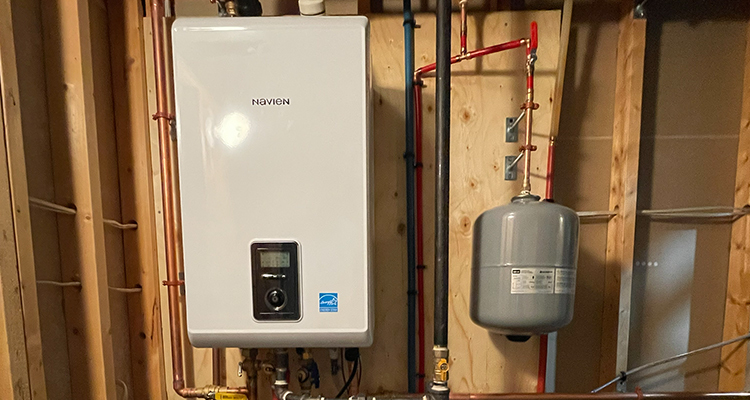
Navien boiler and expansion tank setup showing boiler cycling too often winter Calgary issue in home heating systemWinter places intense pressure on residential heating systems in Calgary. Boilers must maintain steady output for long periods while outside temperatures remain consistently low. When a boiler begins turning on and off more frequently than expected, it often signals an underlying performance issue.Homeowners commonly notice this behaviour when indoor comfort becomes inconsistent. Rooms may heat unevenly. Energy bills may rise unexpectedly.These issues often prompt homeowners to search for professional boiler repair services in Calgary to restore reliable heating before colder conditions worsen.Understanding what boiler cycling means helps homeowners recognize problems early. Early action reduces the risk of winter breakdowns and protects the heating system from unnecessary wear.
What Boiler Cycling Means in Simple Terms
Boiler cycling refers to the pattern of how often a boiler starts and stops during operation. Under normal conditions, a boiler runs long enough to raise indoor temperatures to the desired level. Once that level is reached, the system shuts off until more heat is required.Problems occur when this cycle becomes too frequent. Short cycling happens when a boiler turns on and off repeatedly within minutes. Instead of delivering steady warmth, the system struggles to maintain consistent output.This pattern reduces efficiency and places stress on ignition systems, pumps, and internal components. Over time, short cycling can shorten equipment lifespan and reduce winter reliability.
Why Boiler Short Cycling Is More Common in Winter
Winter conditions intensify existing system issues. Cold weather increases heating demand and exposes inefficiencies that remain unnoticed during milder seasons.
Increased Heating DemandCalgary winters require continuous heat delivery. Boilers operate longer and more frequently to maintain indoor comfort. Any imbalance in system capacity or control becomes more noticeable during prolonged cold periods.When demand exceeds system stability, boilers may respond by cycling more often. This response is not efficient and signals that the system is struggling to regulate output.
Heat Loss in the HomeHeat loss increases during winter through walls, windows, and doors. Older homes or poorly insulated areas lose warmth faster. The boiler reacts by restarting frequently to compensate.As heat escapes, the system never achieves stable temperature equilibrium. This results in repeated starts and stops that accelerate wear.
Thermostat Sensitivity in Cold WeatherThermostats respond quickly during winter. Even small temperature fluctuations trigger heating cycles. Improper thermostat placement near drafts or exterior walls worsens this issue.Inaccurate readings cause unnecessary boiler activation. The result is frequent cycling without meaningful comfort improvement.
Common Causes of a Boiler Cycling Too Often
Boiler cycling usually stems from mechanical or control-related issues. These causes often develop gradually and worsen during winter.
Incorrect Boiler SizeBoilers must match the heating load of the home. Oversized boilers heat spaces too quickly and shut down before completing proper heat distribution. Undersized boilers cannot maintain consistent output and restart frequently.Sizing issues are a common cause of short cycling in residential systems.
Faulty Thermostat or SensorsSensors monitor temperature and communicate with the boiler. Faulty sensors send inaccurate signals that disrupt normal operation. Wiring issues or aging components contribute to miscommunication.When sensors fail, the boiler reacts by cycling unnecessarily.
Pressure or Circulation ProblemsBoilers rely on stable pressure and water circulation. Low pressure reduces heat transfer efficiency. Air pockets restrict flow and prevent even heat distribution.Restricted circulation forces the boiler to restart repeatedly in an attempt to maintain output.
Dirty or Blocked ComponentsSediment and debris accumulate inside heat exchangers and internal pathways. Reduced efficiency increases workload and cycling frequency. Regular maintenance prevents these issues from escalating during winter.
Why Frequent Boiler Cycling Should Not Be Ignored
Short cycling affects both comfort and cost. Repeated starts consume more energy without delivering consistent warmth. Mechanical stress increases with each ignition cycle.The Government of Canada highlights the significance of heating efficiency in residential energy use. Heating accounts for about 63% of the energy used in the average Canadian home.Inefficient operation during winter increases energy consumption and reduces overall system reliability. Ignoring cycling issues often leads to emergency breakdowns during the coldest months.
Signs Your Boiler Cycling Requires Professional Attention
The boiler restarts every few minutes without maintaining consistent indoor warmth.
Different rooms experience uneven temperatures during normal heating operation.
Frequent clicking or ignition sounds occur during startup and shutdown cycles.
Pressure readings fluctuate more often than normal during heating periods.
Winter energy bills increase despite no changes in household usage or habits.
What a Professional Boiler Inspection Looks For
Professional inspection identifies the root cause of cycling through systematic evaluation.
System Sizing and Output ReviewTechnicians assess whether the boiler matches the home heating requirements. Improper sizing often explains recurring cycling patterns.
Pressure and Circulation ChecksPressure levels and circulation efficiency are measured. Air pockets, pump issues, or restricted lines are identified and corrected.
Control and Thermostat EvaluationThermostats and control systems are tested for accuracy. Calibration issues are addressed to restore stable operation.
Safety and Performance TestingSafety controls ensure compliance with national standards. The Government of Canada emphasizes heating safety. Heating systems must be installed and maintained to operate safely and efficiently.
How Addressing Cycling Improves Winter Comfort
Correcting cycling issues restores balanced heating. Boilers operate for longer intervals and distribute heat evenly. Mechanical stress decreases, and system lifespan improves.Homes maintain consistent indoor temperatures even during extended cold spells. Winter reliability improves,s and unexpected interruptions become less likely.The Canada Energy Regulator supports efficiency improvements. Improving energy efficiency can lower household energy costs and improve comfort.
When to Call for Boiler Service During Winter
Frequent boiler cycling during winter should be addressed without delay. Cold temperatures increase system strain and reduce tolerance for performance issues. Even minor cycling problems can worsen quickly during extended cold periods.As temperatures drop, boilers operate for longer hours each day. Components experience higher wear and tighter operating conditions. A system that cycles repeatedly is more likely to fail during peak demand.Delaying service increases the risk of sudden heat loss. Emergency breakdowns often occur during the coldest days when response times are limited. Early inspection helps stabilize the operation and prevents more complex repairs.Homeowners experiencing persistent cycling often rely on trusted residential boiler repair services in Calgary to restore safe and reliable heating before winter conditions intensify.
About Us
Jack’d Up Plumbing provides residential plumbing and heating services throughout Calgary and the surrounding areas. We specialize in winter-focused boiler services, furnace services, and garage heater support.Our team helps homeowners resolve heating performance issues before they escalate. We focus on safe operation, system reliability, and consistent indoor comfort during Calgary winters.For professional assistance, contact us to schedule residential boiler service tailored to cold weather conditions.