Water Softener Repair in Calgary: 5 Signs Your System is Failing
Jun 11, 2026
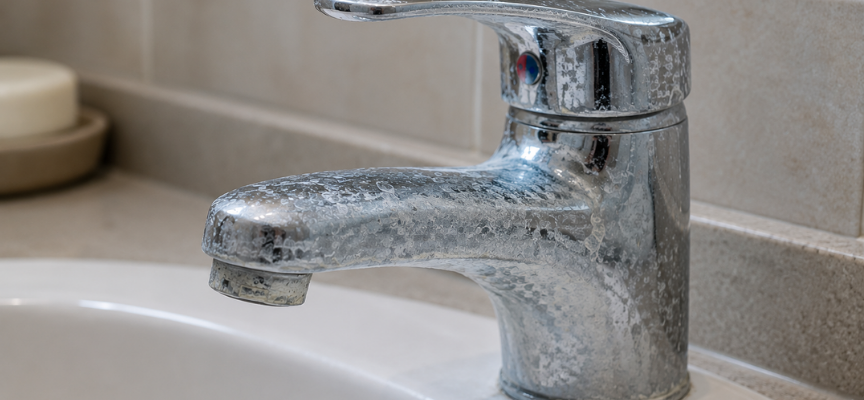
Calgary is world-famous for the Rockies, but local homeowners know we are also famous for rock-hard water. This high mineral content acts like a slow-motion wrecking ball for your pipes and appliances. If your water quality has taken a dive lately, you likely need a professional water softener repair in Calgary before the damage becomes permanent.
Our city’s water is loaded with calcium and magnesium that love to hitch a ride into your plumbing. A functional softener is your only line of defence against this white, crusty invasion. When that system starts to lag, your entire home pays the price in efficiency and longevity.
 Sometimes your salt tank looks full, but the water underneath is actually as hard as a brick. A salt bridge occurs when a hard crust forms over the water, preventing the brine from properly saturating the system. According to technical standards for Canadian water quality, maintaining proper ion exchange is vital for system health.
You can try to gently break a salt bridge yourself, but be careful not to puncture the delicate tank lining. If the bridge keeps returning, there is an underlying humidity or mechanical issue that requires a professional eye. We see this often in Calgary basements where ventilation isn’t quite hitting the mark.
Sometimes your salt tank looks full, but the water underneath is actually as hard as a brick. A salt bridge occurs when a hard crust forms over the water, preventing the brine from properly saturating the system. According to technical standards for Canadian water quality, maintaining proper ion exchange is vital for system health.
You can try to gently break a salt bridge yourself, but be careful not to puncture the delicate tank lining. If the bridge keeps returning, there is an underlying humidity or mechanical issue that requires a professional eye. We see this often in Calgary basements where ventilation isn’t quite hitting the mark.
Is Your Water Quality Getting Jack’d Up? 5 Signs Your Softener is is Failing
Your plumbing is trying to tell you something; here are five red flags you can’t afford to ignore:1. The Return of the Crusty Faucet
If you notice white, chalky buildup on your showerheads or kitchen faucets, your softener has officially clocked out. This scale buildup is the physical evidence of hard water escaping the resin tank and entering your fixtures. While it looks bad on the outside, it is doing much worse damage to the inside of your pipes.2. Your Soap Has Lost Its Suds
Hard water is a notorious lather-killer that prevents soap from sudsing up properly in the shower or sink. If you find yourself using twice as much shampoo or dish soap just to get decent bubbles, your resin beads are likely exhausted. This is a classic sign that your system’s regeneration cycle is failing to do its job.3. The Infamous Salt Bridge
Sometimes your salt tank looks full, but the water underneath is actually as hard as a brick. A salt bridge occurs when a hard crust forms over the water, preventing the brine from properly saturating the system. According to technical standards for Canadian water quality, maintaining proper ion exchange is vital for system health.
You can try to gently break a salt bridge yourself, but be careful not to puncture the delicate tank lining. If the bridge keeps returning, there is an underlying humidity or mechanical issue that requires a professional eye. We see this often in Calgary basements where ventilation isn’t quite hitting the mark.