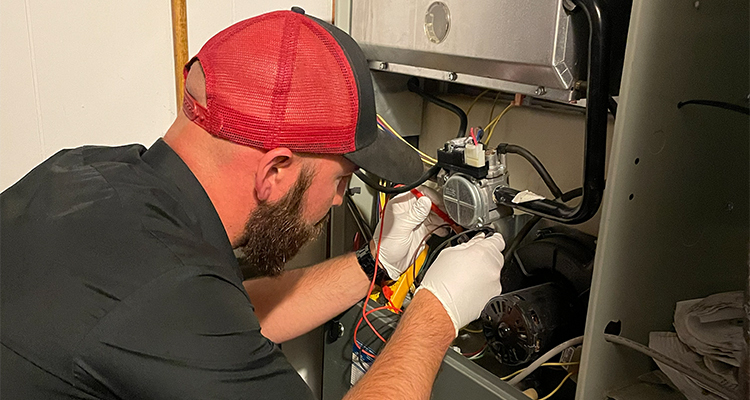
Signs Your Furnace Needs Emergency Repair in Calgary
If your furnace starts acting up just as Calgary temperatures drop, the situation can escalate quickly. In extreme cold, a minor heating issue can turn into a frozen pipe, unsafe indoor air, or a complete system shutdown within hours.
Many homeowners assume furnaces fail suddenly. In reality, heating systems almost always provide warning signals first airflow changes, unusual sounds, cycling problems, or rising energy use. Recognizing those early indicators allows you to repair the system before it becomes an emergency.
This guide explains how furnaces operate, why they fail in Calgary’s climate, and the specific signs that mean you should arrange professional furnace repair services in calgary immediately.
When Should You Call for Furnace Repair in Calgary?
You should call for furnace repair immediately if your system cannot maintain temperature, short cycles repeatedly, makes loud mechanical noises, produces burning or gas smells, or stops heating during freezing weather. Any safety concern such as carbon monoxide alerts, airflow failure, or ignition problems requires urgent professional inspection.
How a Furnace Normally Works During Calgary Winters
Most homes use a forced-air gas furnace. The heating cycle follows a controlled sequence:
Thermostat calls for heat
Ignition system lights the burners
Heat exchanger warms safely
Blower motor distributes heated air through ductwork
System shuts off once target temperature is reached
During winter, a healthy furnace should:
Run steady heating cycles (10–20 minutes)
Maintain consistent airflow from vents
Produce even room temperatures
Operate with a smooth low humming sound
If airflow becomes restricted or components malfunction, the furnace activates safety controls such as the high-limit switch or pressure switch. This causes short cycling — the system repeatedly turning on and off before properly heating the home.
Short cycling is one of the earliest indicators that mechanical stress is occurring inside the furnace.
Why Furnaces Wear Out Faster in Calgary’s Climate
Calgary’s extended heating season forces furnaces to operate longer than in moderate climates. Systems often run 6–8 months annually, sometimes continuously during cold snaps.
Environmental stress factors include:
Rapid temperature drops requiring recovery heating
Continuous overnight runtime
Dry winter air increasing duct static pressure
Accelerated filter clogging in closed homes
Freeze risk in high-efficiency condensate drains
Because of this load, components such as flame sensors, blower motors, pressure switches, and ignition controls fail earlier than expected. A furnace rated for 18–20 years may begin developing reliability issues around 10–12 years in this region.
Warning Signs Your Furnace Needs Repair
Uneven Heating or Cold Rooms
Inconsistent temperatures usually indicate airflow imbalance or early component failure. A furnace depends on balanced supply and return airflow. When that balance is disrupted, heat cannot distribute properly.
Common mechanical causes:
Clogged air filter increasing static pressure
Weak blower motor or failing capacitor
Duct leakage or insufficient return air
Dirty flame sensor shutting burners off early
High-limit switch overheating shutdown
Watch for:
Rooms 2–3°C colder than others
Furnace turning on and off rapidly
Weak airflow from vents
Furnace cabinet overheating
Ignoring uneven heating can damage the heat exchanger or control board.
Strange Noises or Burning Odours
Furnaces rarely become noisy without reason. Different sounds correspond to specific failures:| Sound | Likely Cause |
| Loud bang at startup | Delayed ignition |
| Squealing | Motor or belt wear |
| Grinding | Blower bearing failure |
| Repeated clicking | Ignition control fault |
Burning dust smell: normal briefly after first seasonal startup
Electrical burning smell: wiring or motor overheating
Gas smell: immediate safety hazard
Any persistent or strong smell requires immediate inspection.
Rising Energy Bills but Poor Heating
A furnace working harder than normal consumes more fuel while producing less heat. This indicates declining combustion efficiency or airflow problems.
Possible causes:
Dirty burners affecting combustion ratio
Cracked heat exchanger losing heat transfer efficiency
Short cycling wasting fuel
Restricted airflow causing overheating shutdowns
If gas consumption increases without improved comfort, the system is operating inefficiently and approaching failure.
Furnace Age Over 10 Years
In Calgary conditions, reliability decreases after a decade of use.
Signs aging is becoming critical:
Multiple repairs in 2 seasons
Louder operation than previous years
Struggling during extreme cold
Frequent cycling
At this stage, repair may still be possible — but repeated breakdowns suggest the system is nearing replacement threshold.
Safety Warning Signs
Some symptoms indicate potential hazards rather than normal wear:
Pilot light will not stay lit
Rust or scorch marks near burner area
Smoke or exhaust odour
Soot buildup
These suggest combustion or ventilation issues and require immediate professional service.
When Furnace Problems Become an Emergency
Call for urgent repair if you notice:
Gas smell near the furnace
Carbon monoxide detector activation
Furnace running but no airflow
Electrical burning smell
Flames outside burner chamber
Shutdown during freezing weather
Turn off the system if safe and arrange immediate service.
Should You Repair or Replace Your Furnace?
Use this general guideline:| Condition | Recommended Action |
| Under 10 years + minor issue | Repair |
| Repeated breakdowns | Consider replacement |
| Heat exchanger damage | Replace |
| Repair cost > 40% of replacement | Replace |
| Efficiency declining significantly | Upgrade system |
Quick Checks Before Calling a Technician
You can safely verify these before requesting emergency service:
Thermostat set correctly
Breaker not tripped
Air filter clean
Vents unobstructed
Ignition indicator functioning
If heating does not restore, internal components likely require repair.
Average Furnace Repair Costs in Calgary
| Repair Type | Typical Cost |
| Flame sensor | $150–$350 |
| Ignition repair | $200–$500 |
| Blower motor | $400–$900 |
| Control board | $500–$1,200 |
| Major failure | $1,200+ |
Why Early Repair Saves Money
Addressing issues early prevents:
Heat exchanger damage
Frozen plumbing
Emergency call fees
Complete system replacement
Small airflow or ignition problems often become major mechanical failures when ignored.
Preventative Maintenance Tips
Replace filters every 1–3 months
Keep vents unobstructed
Schedule annual inspection
Maintain clear furnace intake and exhaust
Regular maintenance significantly extends furnace lifespan.
Frequently Asked Questions About Furnace Repair in Calgary
How long should a furnace last in Calgary?
Most furnaces last about 10–15 years in Calgary due to heavy winter runtime. Continuous heating cycles and temperature swings shorten lifespan compared to milder climates.
Is it dangerous if my furnace keeps turning on and off?
Yes. This is called short cycling and usually indicates overheating, airflow restriction, or a safety switch shutting the system down. Continued operation can damage internal components or create safety risks.
Can a dirty filter stop my furnace from heating?
Yes. A clogged filter restricts airflow, causing the furnace to overheat and trigger the high-limit safety switch. The burners shut off before the home reaches temperature.
Why is my furnace blowing cold air?
Possible causes include ignition failure, flame sensor issues, thermostat malfunction, or the system entering safety lockout mode after repeated failed starts.
What indoor temperature becomes unsafe without heat?
Indoor temperatures below about 8°C risk frozen pipes and water damage. Homes can reach this level quickly during extreme cold, so heating failure should be addressed immediately.
Is repairing or replacing a furnace more cost-effective?
If repair cost exceeds roughly 40% of replacement value or failures are recurring, replacement is usually the better long-term investment.
How quickly can a furnace fail in extreme cold?
In freezing conditions, a malfunctioning furnace can shut down completely within hours due to safety lockouts or overheating. Homes can lose safe indoor temperatures rapidly, increasing the risk of frozen plumbing.
Professional Furnace Repair Services in Calgary
Professional furnace repair involves diagnosing airflow restriction, combustion efficiency, ignition control systems, and electrical safety components. Licensed HVAC technicians inspect the heat exchanger, pressure switch, flame sensor, blower assembly, and control board to determine whether repair or replacement is required.
In Calgary’s extreme winter conditions, rapid diagnostics and same-day service can prevent frozen pipes and extended heating outages.
About Jack’d Up Plumbing
Jack’d Up Plumbing provides plumbing and HVAC services across Calgary. Our technicians diagnose airflow, combustion, and mechanical failures quickly to restore safe heating operation. We service both emergency repairs and full system installations, ensuring reliable performance during extreme winter conditions.
If your furnace shows warning signs, arranging professional inspection early prevents costly breakdowns and protects your home during the coldest months.