Is Your Sump Pump Ready for a 2026 Calgary Spring?
Jun 22, 2026
Spring in Calgary is less about blooming flowers and more about thousands of pounds of melting snow looking for a way into your basement. This seasonal transition puts immense pressure on your home’s foundation and drainage systems. If your pump isn’t ready to fight back, you are basically inviting the neighbourhood runoff into your furnace room.
A proactive approach to sump pump maintenance in Calgary is the only way to ensure your home stays dry when the ground saturates. Hope is not a strategy when it comes to flood prevention in the 403. It is time to stop crossing your fingers and start testing your gear.
 The spring storms of 2026 are predicted to be erratic, and power outages are a common side effect of high Alberta winds. If the grid goes down, your primary sump pump becomes a useless piece of plastic and metal exactly when you need it.
This is why we advocate for secondary, battery-powered backup systems in every local home. A backup system doesn’t just provide power; it provides a second pump in case the primary one suffers a mechanical failure.
It is a dual-layered defence that keeps your residential plumbing system resilient against the unpredictable. Investing in a backup is significantly cheaper than paying an insurance deductible for a flooded basement.
The spring storms of 2026 are predicted to be erratic, and power outages are a common side effect of high Alberta winds. If the grid goes down, your primary sump pump becomes a useless piece of plastic and metal exactly when you need it.
This is why we advocate for secondary, battery-powered backup systems in every local home. A backup system doesn’t just provide power; it provides a second pump in case the primary one suffers a mechanical failure.
It is a dual-layered defence that keeps your residential plumbing system resilient against the unpredictable. Investing in a backup is significantly cheaper than paying an insurance deductible for a flooded basement.
The Anatomy of a Failing Sump Pump
Understanding the components of your system, from the float switch to the check valve, is key to staying dry. The primary job of a sump pump is to monitor the water table beneath your foundation. As melting snow or heavy rain causes groundwater levels to rise, a float switch triggers the pump’s motor. The unit then “kicks it out” through a discharge pipe, dumping it safely away from your home’s perimeter. If any part of the pump breaks, your basement becomes a temporary pond.The 3-Step Stress Test
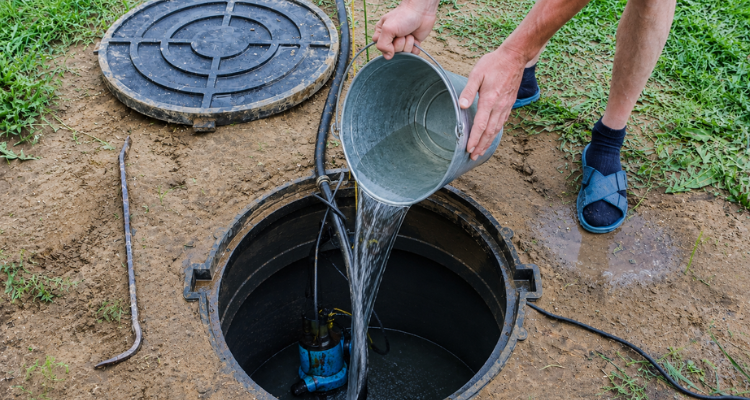
You don’t need a Red Seal certification to perform a basic check, though it certainly helps for the complex stuff. Start by pouring a five-gallon bucket of water directly into the sump pit to see if the float triggers the motor. If the motor hums but the water level doesn’t drop, you have a serious blockage or a dead impeller. Next, listen closely for the “clunk” of the check valve when the pump stops; this prevents water from falling back into the pit. Finally, head outside to ensure your discharge line isn’t buried under ice or debris from the winter.Why 2026 Demands a Battery Backup
The spring storms of 2026 are predicted to be erratic, and power outages are a common side effect of high Alberta winds. If the grid goes down, your primary sump pump becomes a useless piece of plastic and metal exactly when you need it.
This is why we advocate for secondary, battery-powered backup systems in every local home. A backup system doesn’t just provide power; it provides a second pump in case the primary one suffers a mechanical failure.
It is a dual-layered defence that keeps your residential plumbing system resilient against the unpredictable. Investing in a backup is significantly cheaper than paying an insurance deductible for a flooded basement.