A Burst Pipe Can Cause Serious Damage Fast. Here’s What Calgary Homeowners Should Know
Aug 27, 2026
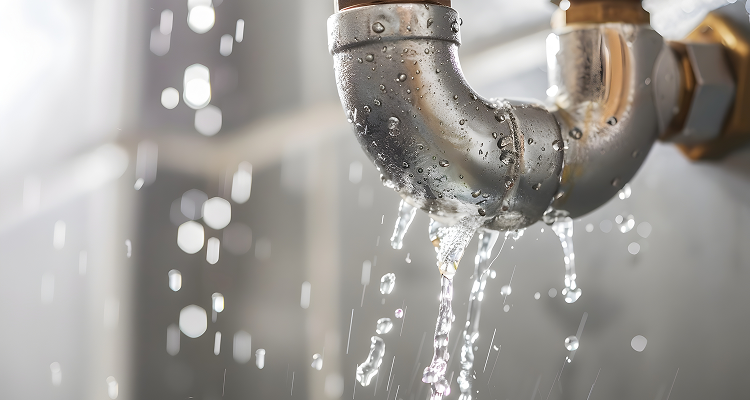
A burst pipe doesn’t always announce itself with a flooded room.
We’ve responded to situations where the first sign was a water stain on a ceiling, damp flooring, or moisture appearing where homeowners least expected it.
If you’re dealing with an active plumbing emergency, professional emergency plumbing services can help stop the problem from getting worse and identify the source of the damage.
What makes burst pipes challenging is that the visible leak is often only part of the problem.
Knowing what to do, what warning signs to look for, and when to call a plumber can help you respond quickly and limit unnecessary damage.
What Should You Do Immediately After a Pipe Bursts?
The first thing you should do after a pipe bursts is shut off the main water supply. Stopping the flow of water gives you the best chance of limiting additional damage while you assess the situation. Once the water is off:- Move valuables, electronics, and personal belongings away from affected areas if it is safe to do so.
- Avoid standing water near electrical outlets, appliances, or wiring.
- Use towels, mops, or a wet vacuum to remove standing water where possible.
- Take photos of visible damage for insurance documentation.
- Contact a plumber as soon as possible.
How Can You Tell If a Pipe Has Burst?
A burst pipe often causes noticeable changes inside the home, including water pooling, reduced water pressure, damp odours, or water stains appearing where they weren’t before. But not all burst pipes are immediately obvious. Some are hidden behind walls, ceilings, or finished spaces, making the warning signs easier to notice than the pipe itself. Common signs of a burst pipe include:- Unexpected water pooling around the home.
- A sudden drop in water pressure.
- Water stains appearing on walls or ceilings.
- Damp, musty, or unusual odours.
- Unexplained increases in water usage.
- Sounds of running water when fixtures are not being used.
How Water Damage Can Spread Through a Home
Water from a burst pipe can spread far beyond the area where the pipe failed. In some cases, the first visible sign of a problem is actually the result of water that has already travelled through nearby materials. This is one reason burst pipes can become expensive so quickly. By the time water becomes visible on a wall, ceiling, or floor, moisture may have already reached other areas of the home. We’ve responded to situations where the plumbing repair itself was relatively straightforward, but the water had already affected multiple materials around it. The longer water remains where it shouldn’t be, the greater the potential for additional repairs. That’s why quick action matters. Stopping the water and identifying the source early can help limit how far the damage spreads.What Causes Pipes to Burst in Calgary Homes?
Freezing temperatures are one of the most common reasons pipes burst in Calgary homes. But they’re not the only cause. Aging plumbing, corrosion, excessive water pressure, and existing pipe damage can also increase the likelihood of a failure. Cold weather often gets the most attention because of Calgary’s climate. When water freezes inside a pipe, it expands. That added pressure can place significant stress on the plumbing system, especially in areas that are poorly insulated or exposed to colder temperatures. Common factors that can increase the risk of a burst pipe include:- Freezing temperatures.
- Poorly insulated pipes.
- Aging plumbing systems.
- Corrosion inside older pipes.
- Excessive water pressure.
- Existing cracks or pipe damage.
When Should You Call for Professional Burst Pipe Repair?
You should call for professional burst pipe repair as soon as the water supply has been shut off and the immediate situation is under control. Many homeowners wonder whether the damage is serious enough to require a plumber, especially if the leak appears small. The challenge is that the visible water doesn’t always tell the full story. Professional assessment is particularly important when:- The damaged pipe cannot be located.
- Water has entered walls, ceilings, or flooring.
- Multiple plumbing fixtures are affected.
- The pipe burst during freezing weather.
- Water pressure remains unusually low.
- Signs of moisture continue appearing after the leak is discovered.