How Do You Know a Pipe Is About to Burst?
Aug 28, 2026
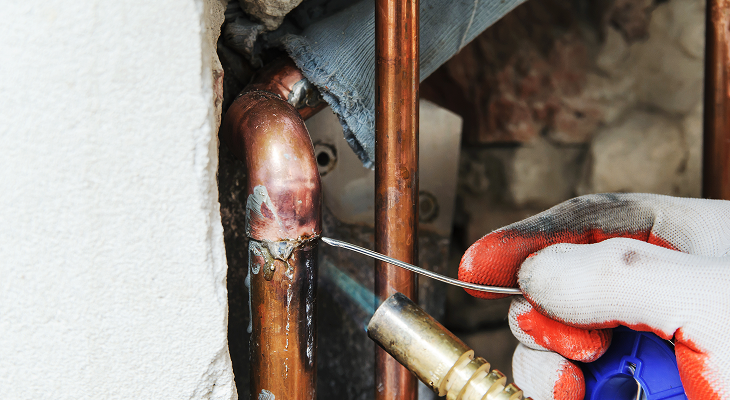
Most homeowners don’t wake up one morning expecting a pipe to burst. In fact, many burst pipe calls start with something that seemed easy to ignore—a small leak, an unusual sound, a water stain, or a drop in water pressure.
The trouble with warning signs is that they rarely arrive looking like a warning.
When we look back at those situations, there were often clues that something wasn’t quite right beforehand. The challenge is that those signs rarely feel urgent at the time.
Knowing what warning signs to look for can help you identify potential problems earlier and reduce the risk of needing emergency burst pipe repair in Calgary.
What Are the Most Common Warning Signs of a Burst Pipe?
Burst pipes often show warning signs before they fail. Some of the most common warning signs include:- Unexplained drops in water pressure.
- Recurring leaks in the same area.
- Visible corrosion on exposed pipes.
- Water stains appearing on walls or ceilings.
- Damp or musty odours.
- Unusual sounds coming from plumbing lines.
- Signs of moisture where there shouldn’t be any.
Can Small Leaks Be a Warning Sign?
Not every leak leads to a burst pipe, but recurring leaks should never be ignored. In many cases, the leak itself isn’t the biggest concern. It’s what the leak may be telling you about the condition of the pipe. A small leak has a way of moving to the bottom of the to-do list. Homeowners often place a container underneath it, wipe up the occasional drip, and plan to deal with it when they have more time. The problem is that plumbing issues don’t always wait for a convenient time. If a leak keeps returning, becomes more noticeable, or starts appearing alongside other warning signs, it’s usually worth having it inspected. Warning signs that a leak may indicate a larger issue include:- The same pipe leaking more than once.
- Visible corrosion near the leak.
- Water stains continuing to spread.
- Reduced water pressure nearby.
- New moisture appearing around the affected area.
What Changes in Water Pressure Should You Pay Attention To?
Unexpected changes in water pressure can be a warning sign that something isn’t functioning properly within your plumbing system. Most homeowners become familiar with how their plumbing normally performs. That’s why sudden changes often stand out. A shower that suddenly feels weaker than usual or a faucet that struggles to maintain consistent flow may indicate a developing problem. Pressure changes can show up in different ways:- Lower water pressure than normal.
- Fluctuating pressure throughout the day.
- Certain fixtures being affected while others remain normal.
- A noticeable change that appears without explanation.
Is Visible Corrosion a Sign of a Problem?
Yes. Visible corrosion can be a sign that a pipe is aging, deteriorating, or being exposed to conditions that may increase the risk of failure. Corrosion doesn’t always lead to a burst pipe, but it shouldn’t be ignored either. Over time, corrosion can weaken sections of a pipe and make them more vulnerable to leaks and other plumbing problems. Signs of corrosion may include:- Discolouration on exposed pipes.
- Rust-coloured staining.
- Flaking or rough pipe surfaces.
- Green or blue-green buildup on copper pipes.
When Should You Have a Pipe Inspected?
You should consider having a pipe inspected when warning signs begin appearing, even if everything is still functioning. Many homeowners wait until a leak becomes more serious or a plumbing fixture stops working properly before calling for help. That’s understandable. If water is still flowing and nothing appears urgent, it can be easy to put the issue off for another day. The challenge is that plumbing systems don’t always follow a convenient timeline. It’s often worth scheduling an inspection if you notice:- Recurring leaks.
- Sudden pressure changes.
- Visible corrosion.
- Water stains appearing without explanation.
- Damp or musty smells.
- Multiple warning signs occurring at the same time.