How To Spot Hidden Bathroom Drain Problems Before They Back Up

How To Spot Hidden Bathroom Drain Problems Before They Back Up

Not every plumbing issue announces itself with a flood or a foul smell. Some problems creep in silently, building up over time until they become expensive emergencies. This is especially true when it comes to bathroom drain systems in Calgary homes.

Hair, soap residue, toothpaste, and mineral-rich water all contribute to gradual blockages in your sink, tub, or shower. The issue? These clogs don’t always start at the surface. Many begin deep in the line where they are harder to detect. By the time you notice something is wrong, water might already be pooling around your feet or worse, backing up into your home.

In this blog, we will walk you through the most common causes of bathroom drain clogs, how to recognize early signs of trouble, and why contacting professional plumbers is one of the smartest preventative services you can book in Calgary.

Why Bathroom Drains Clog More Than You Think

Your bathroom drains are some of the most-used plumbing components in your home. Daily routines like brushing your teeth, shaving, and showering introduce a variety of substances into the pipes that do not always flush out easily.

Soap scum, body oils, stray hairs, shaving cream, toothpaste, and hard water minerals begin to accumulate. Over time, this sticky residue traps even more debris and slows the flow of water. While this may seem harmless at first, it often becomes a serious problem.

Calgary’s hard water only makes this issue worse. High mineral content in the water contributes to scale build-up inside pipes, especially in older homes. This narrows the pipe diameter and further increases the risk of slow drainage and full blockages.

Early Warning Signs Your Drain Is In Trouble

Hidden blockages do not stay hidden forever. Your plumbing will give you signs, and the sooner you act on them, the less you will spend fixing the damage.

Watch for these common early symptoms of a bathroom drain problem.

Slow Drainage In Tubs Or Sinks

If water takes longer than usual to drain after a shower or while brushing your teeth, this is a major red flag. Slow-moving drains often signal partial blockages forming deeper in the line.

Gurgling Sounds When Water Drains

When your drain makes bubbling or gurgling noises, it is a sign that air is getting trapped behind a blockage. These sounds should not be ignored, especially if they happen regularly.

Unpleasant Smells Coming From The Drain

Foul or musty odours usually indicate decaying organic material trapped in the pipes. Hair and soap create a perfect environment for bacteria to thrive, causing strong smells to rise from the drain.

Water Pooling Around The Drain

If water briefly rises or pools before draining, it might mean your pipes are partially clogged. This is often the final warning before a full backup occurs.

Fluctuating Water Levels In Toilets Or Tubs

Sudden changes in water levels can indicate improper venting or deep blockages that are affecting the overall system performance.

Problems That Stay Hidden Until It’s Too Late

Many Calgary homeowners only address plumbing issues once they become visible. Unfortunately, some problems remain hidden until significant damage is done.

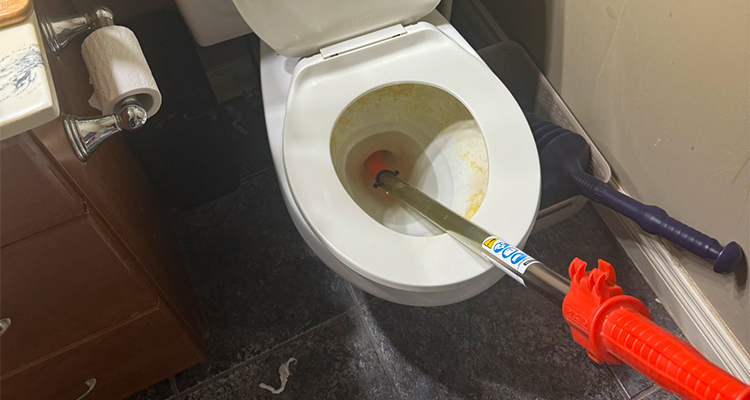
Deep drain clogs are typically located beyond the reach of DIY tools and basic plunging. Blockages in the P-trap or further down the main drain line will not be resolved with baking soda or vinegar.

Additionally, issues in the vent stack, which regulates air pressure in your plumbing system, can affect how efficiently your drains operate. Improper ventilation often mimics symptoms of clogs and can make diagnosing the issue even harder without professional equipment.

Ignoring these hidden problems can result in drain backups that damage flooring, drywall, and baseboards. In extreme cases, backups can introduce harmful bacteria into your living space, creating health risks for your family.

According to Health Canada, exposure to indoor mould and damp conditions can lead to respiratory issues, including coughing, wheezing, and shortness of breath, particularly affecting children, seniors, and individuals with asthma

What You Can Try At Home First

While deeper issues require a plumber, there are a few safe things you can try before making the call.

Start by removing visible hair or gunk from the surface of your drains. Hair traps or catchers placed over your shower and sink drains can prevent most clogs from forming in the first place.

A simple mixture of boiling water, baking soda, and vinegar can help with light blockages or keep pipes clean when done regularly. However, this should never be used as a solution for recurring drainage problems.

Avoid using chemical drain cleaners from hardware stores. These products often damage your pipes over time and can be harmful to both your health and Calgary’s environment. If you find yourself needing to use these products more than once, you are overdue for professional service.

When It’s Time To Call A Calgary Drain Cleaning Professional

If the warning signs keep coming back or worsen over time, you need help from a licensed Calgary plumber.

You should call a professional if:

  • Water is backing up in the sink or tub
  • Your toilet gurgles when another fixture drains
  • Odours persist no matter how much you clean
  • DIY tricks only work for a few days

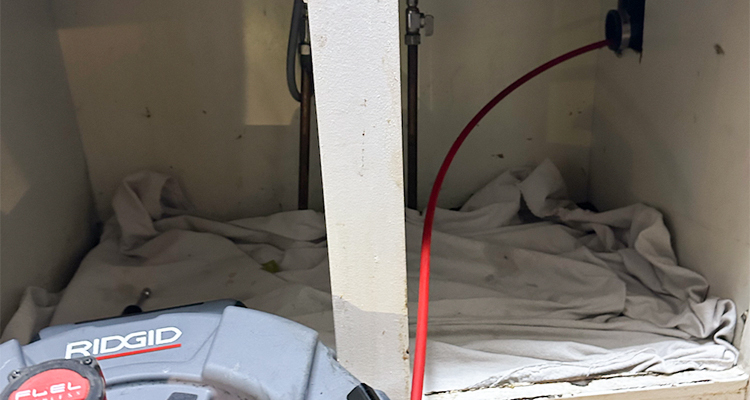
A plumbing expert will not just guess what the issue is. They will inspect your entire system using drain cameras, perform targeted snaking, and apply the right solution for the type and location of the blockage.

What Professional Drain Cleaning Involves

When you hire a plumbing contractor in Calgary for bathroom drain cleaning, they bring more than just tools. They bring experience and diagnostic ability.

A professional will begin with a video camera inspection. This allows them to see exactly where the blockage is located and determine what caused it.

Depending on the severity and depth of the clog, your plumber may use:

  • Drain snaking tools to break up solid obstructions
  • High-pressure water jetting for deep, stubborn build-up
  • Augering to remove long hair tangles and grease layers

All work is done with your home’s plumbing system in mind. Nothing is rushed or treated with a one-size-fits-all approach.

How To Prevent Bathroom Drain Problems In The Future

Once your drain is cleared and flowing freely, the next step is prevention.

Simple maintenance habits can make a big difference:

  • Use a mesh hair catcher in all bathroom drains
  • Flush your drains monthly with hot water
  • Avoid washing large hair clumps, oils, or wipes down the drain
  • Book an annual inspection and cleaning service, especially in older homes

Regular drain cleaning is far more affordable than repairing water damage from a backup. It also helps keep your plumbing system efficient and safe.

About Us

Jack’d Up Plumbing is Calgary’s trusted choice for residential plumbing solutions. From clogged bathroom drains to faucet repairs and water heater servicing, our licensed professionals deliver efficient, no-nonsense plumbing support when you need it most.

We specialize in seasonal, affordable plumbing services tailored to Calgary homes. We do not offer free quotes, but we do offer results you can rely on.

Need help with your bathroom drain? Contact us today to schedule your service today.

Top 2 Signs Your Garburator May Be Clogged

Top 2 Signs Your Garburator May Be Clogged

A garburator is an essential kitchen appliance in every modern household. Experts state that a standard kitchen garburator can last up to 12 years with proper care and maintenance.Top 2 Signs Your Garburator May Be CloggedProper care means cleaning it regularly and avoiding dumping everything into it. If you fail to maintain your garbage disposal, it may stop working properly and could cost up to $700 to replace.Just like other plumbing systems such as water heater installation, garburators also require professional attention when problems arise. Ignoring a clogged garburator can lead to premature failure of key components like the motor, shredders, and blades.If you suspect a clog, it’s best to call a certified residential plumber immediately.So, how do you know if your garburator is clogged? Let’s explore the top signs.

1. Your Garburator Is Making Loud Noises

If your garburator has power but isn’t working properly, a clog is often the main culprit. Clogged garburators usually produce unusual sounds like grinding, clanking, or humming.

Clanking Sound

You may hear a clanking noise when the garburator starts, followed by a sudden stop. This usually means something is stuck inside the unit.While experienced homeowners may attempt to fix this themselves (after turning off the power), it is safer and more effective to call a certified plumber—just as you would for professional services like water heater installation.

Humming Sound

A humming sound is another strong indicator of a clog. This happens when the motor is running but the blades are unable to rotate due to blockage. Continuing to run the garburator in this state can:
  • Burn out the motor
  • Damage the blades
  • Cause internal overheating
Common clogging items include:
  • Bones
  • Fruit pits
  • Fibrous food waste
If you hear humming, turn off the unit immediately and call a professional plumber.

2. Your Garburator Emits a Bad Smell

A foul smell coming from your sink is another clear sign of a clogged garburator. Food particles trapped in the grinding chamber begin to rot, allowing bacteria to build up quickly.This can lead to:
  • Persistent kitchen odors
  • Sewage-like smells
  • Slow drainage
If the odor is coming from the drain, the issue may be deeper in the plumbing line. In that case, a professional drain cleaner should be contacted—just as you would seek expert help for critical services like water heater installation.

Why Professional Plumbing Services Matter

Plumbing systems are interconnected. A neglected garburator can affect your drainage system, just like improper water heater installation can impact your entire home’s water supply. Hiring trained professionals ensures safety, efficiency, and long-term performance.

About Jack’d Up Plumbing

At Jack’d Up Plumbing, we proudly serve clients across Calgary and surrounding areas. Our services include:
  • Drain cleaning
  • Garburator repair
  • Water and gas leak repair
  • Bathroom and kitchen plumbing
  • Water heater installation and repair
  • Furnace repair and installations
Contact us today for reliable, fast, and professional plumbing support.

Frequently Asked Questions (FAQs)

How long does a garburator usually last?

With proper maintenance, a garburator can last between 10–12 years or even longer.

Can I unclog my garburator myself?

Minor clogs can sometimes be fixed safely, but you must always turn off the power first. For persistent or severe issues, always call a certified plumber.

What foods should I avoid putting in the garburator?

Avoid:
  • Bones
  • Fruit pits
  • Grease
  • Coffee grounds
  • Fibrous vegetables (like celery)

Is a clogged garburator a serious plumbing issue?

Yes. If left untreated, it can damage the motor, affect drain lines, and lead to costly repairs—similar to problems caused by poor water heater installation

The Hidden Summer Risks To Your Water Heater

The Hidden Summer Risks To Your Water Heater

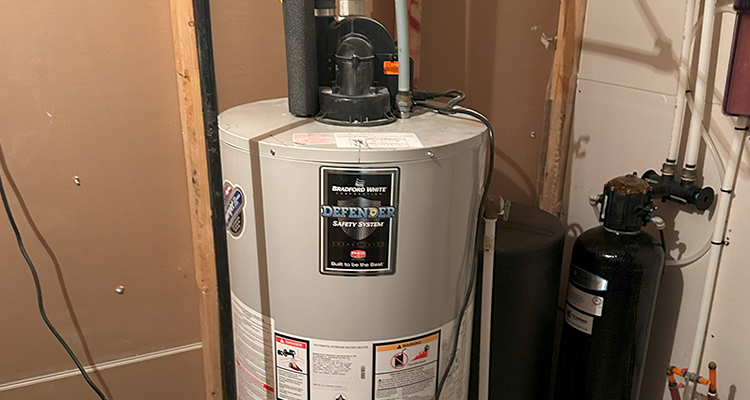
Most Calgary homeowners associate water heater maintenance with cold winter mornings, not warm summer afternoons. After all, when the sun is out and temperatures climb, who’s thinking about hot water?

But here’s the twist: summer brings its own set of risks for your water heater, and ignoring them could cost you big when winter returns.

Increased water usage, higher indoor humidity, and pressure fluctuations can all quietly strain your system. In this blog post, we’ll walk you through the surprising ways summer affects your water heater, the signs of trouble, and why now is the best time to act.

Summer Doesn’t Give Your Water Heater a Break

Sure, it’s hot outside, but that doesn’t mean your water heater is off the hook. In fact, during summer, many Calgary households use just as much hot water as they do in winter, sometimes more. Think about it:

  • More frequent showers after outdoor activities
  • Extra laundry from family trips or outdoor work
  • Increased dishwashing after BBQs and gatherings
  • Guests visiting for summer holidays

This means your water heater continues to work hard, often under the radar. If it hasn’t been serviced in a while, you’re running the risk of letting minor issues turn into major breakdowns.

Sediment Buildup Gets Worse With Warm Weather

Calgary’s water is known for being mineral-rich. Over time, minerals like calcium and magnesium settle at the bottom of your water heater tank. This layer of sediment creates a barrier between the burner and the water, forcing the system to work harder to heat your water.

Increased summer usage means sediment builds up faster. The results?

  • Reduced efficiency and longer heating times
  • Noisy operation (crackling or rumbling sounds)
  • Higher energy bills
  • Shortened tank lifespan

If left unchecked, the sediment can even cause your tank to overheat or crack. A seasonal tank flush is a simple way to extend your heater’s life and restore performance.

Pressure Spikes Can Damage Your Tank

Your water heater heats water to high temperatures regardless of the weather. But during Calgary’s warmest months, surrounding heat can combine with the tank’s internal temperature to increase pressure inside the unit.

If your temperature and pressure relief (T&P) valve is faulty or aging, it may fail to release excess pressure. This puts your tank and plumbing at risk for:

  • Leaks and hairline cracks
  • Decreased safety performance
  • Sudden loss of function

Testing the T&P valve during summer is a crucial part of seasonal maintenance. A small check now can prevent a catastrophic failure later.

Humidity And Leaks Can Lead To Mould

Calgary summers can be surprisingly humid, especially in basements and utility rooms, where water heaters are often located. If your unit is sweating (condensation), slowly leaking, or sitting in a poorly ventilated space, moisture may accumulate unnoticed.

This creates the perfect environment for:

  • Mould and mildew growth
  • Corrosion around fittings and pipes
  • Musty odours in the home
  • Structural damage to walls or floors

By scheduling a summer inspection, you’ll catch leaks before they escalate and reduce the risk of mould or water damage.

Why Summer Is The Ideal Time For Maintenance

Most homeowners wait until something breaks to call a plumber. But preventative maintenance is far less costly, and summer is the perfect time for it.

You’ll benefit from:

  • Easier booking (less emergency demand)
  • Better access to exterior vents and plumbing
  • Time to replace failing components before winter stress

A professional water heater service in Calgary typically includes:

  • Sediment flushing
  • Anode rod inspection and replacement
  • T&P valve testing
  • Thermostat check and adjustment
  • Leak detection and pressure testing

It’s a quick, affordable service that protects your home and gives you peace of mind year-round.

Red Flags: Is Your Water Heater Already In Trouble?

Don’t ignore the early warning signs. Your water heater could be struggling already if you notice:

  • Inconsistent water temperatures
  • Rusty or discoloured water
  • Banging, knocking, or rumbling noises
  • Water is pooling at the base of the tank
  • Pilot light frequently goes out

If you’re experiencing any of these, it’s time to contact an affordable plumber in Calgary before a full replacement becomes necessary.

Regular Service Helps You Save More Than Just Water

It’s easy to think of water heater maintenance as just another household chore. But in reality, keeping your system in peak condition has bigger implications, especially during Calgary’s summer season.

A poorly maintained water heater doesn’t just affect your comfort. It can waste hundreds of litres of water each month through leaks, require more energy to operate efficiently, and place stress on your home’s plumbing system. These small inefficiencies add up fast, both financially and environmentally.

According to Natural Resources Canada, domestic water heaters consume about 20% of a home’s energy, comparable to the combined energy use of all lights and appliances. This significant consumption underscores the importance of maintaining your water heater to ensure energy efficiency and reduce utility costs.

Book Your Summer Service Before It’s Too Late

Summer isn’t a break for your water heater. If anything, it’s an opportunity. Preventive maintenance now will save you money, prevent mid-winter emergencies, and keep your system running at peak performance.

Don’t wait for cold weather to remind you that your water heater needs attention. A quick call today can prevent an expensive repair tomorrow and can extend the lifespan of your water heater.

About Us

Jack’d Up Plumbing is Calgary’s trusted provider of residential plumbing solutions, offering expert service for garburator installations, clogged drains, faucet repairs, and water heater maintenance. Our licensed plumbers deliver fast, reliable service without the gimmicks. We don’t offer free quotes, but we do offer results you can rely on.

Need your water heater serviced before fall? Contact us today.

Why Garburator Installations Are Trending In Calgary Kitchens This Year

Why Garburator Installations Are Trending In Calgary Kitchens This Year

Garburators (garbage disposal units) are quickly becoming a must-have in Calgary kitchens. These compact systems grind food waste and flush it down the drain, making cleanup faster and keeping kitchens cleaner. But beyond convenience, garburators offer significant benefits in terms of hygiene and sustainability.

In Calgary, where green initiatives are on the rise and homeowners are focusing on smarter upgrades, garburator installations have surged, especially during the spring and summer seasons. If you’re planning a kitchen renovation or simply tired of clogged drains and smelly bins, this small upgrade might be exactly what you need.

Let’s explore why more homeowners are searching for garburator installation by expert plumbing contractors in Calgary, what to consider before installation, and how this kitchen trend is here to stay.

What Is A Garburator And Why Does It Matter

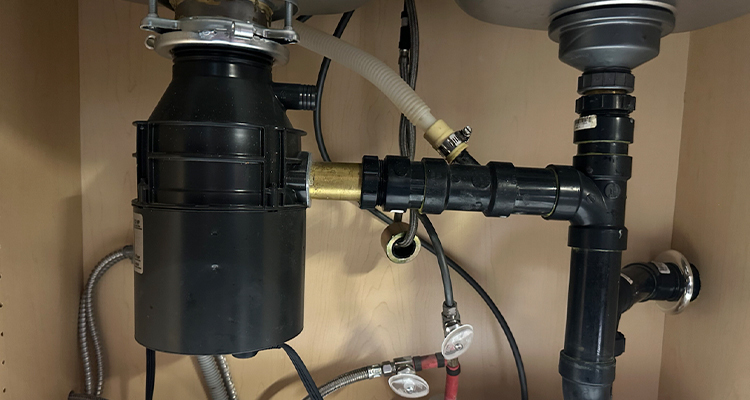
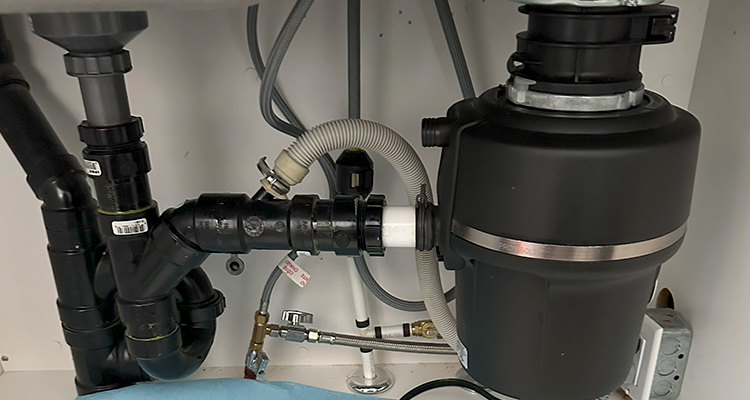
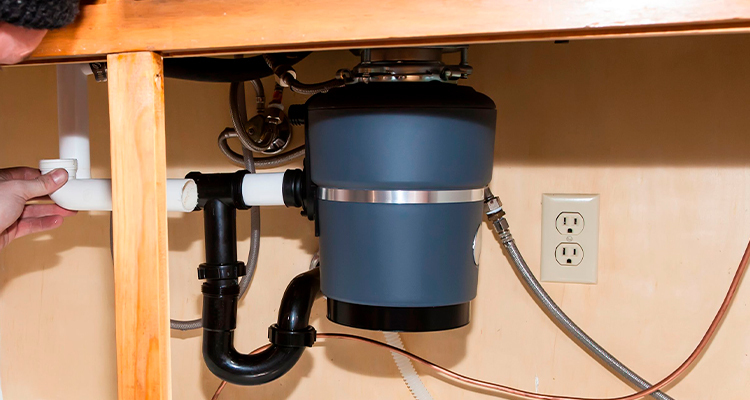
A garburator is a device installed beneath your kitchen sink that grinds up food scraps and flushes them down the drain. It’s connected to your plumbing and helps reduce the amount of food waste that ends up in your garbage can, or worse, clogs your pipes.

For homeowners in Calgary, garburators offer a practical solution to everyday kitchen mess. Whether you’re cooking a big meal or simply rinsing off dishes, a garburator makes cleanup more efficient. They’re especially popular in open-concept homes where cleanliness and odour control are a priority.

Why Calgary Homes Are Choosing Garburators

1. Summer Renovations Drive Upgrades

Spring and summer in Calgary are peak renovation seasons. With better weather and longer daylight hours, many homeowners take on kitchen improvement projects. Garburators have become a common part of those upgrades, especially for families tired of dealing with food scraps manually.

Adding a garburator is a low-impact renovation with a high return. It pairs perfectly with new countertops, sinks, or faucet upgrades.

2. Waste Reduction Supports City Goals

According to Environment and Climate Change Canada, nearly 60% of food produced in Canada is wasted. Much of that ends up in landfills, contributing to methane emissions and environmental damage.

Calgary’s Green Cart program is already helping households compost food waste, but garburators take it a step further. They help manage small food scraps directly at the source, keeping bins cleaner and reducing household waste volume.

3. Cleaner Kitchens, Less Smell

Nobody wants lingering smells from food waste sitting in the garbage, especially in summer. Garburators eliminate odours by grinding up peels, scraps, and leftovers immediately. This helps reduce the presence of flies and pests, especially when outdoor heat accelerates food rot.

For Calgary families with pets or children, maintaining a cleaner, safer kitchen is a major benefit and a big reason garburators are gaining popularity.

4. Affordable Options Are Widely Available

While garburators were once considered a luxury feature, today they’re more accessible than ever. From entry-level units to high-end models, there’s something for every home and budget.

Many people searching for garburator installation costs are pleasantly surprised to learn that basic installs are reasonably priced, especially during other kitchen work.

5. Modern Garburators Are Built Better

Older models were noisy, underpowered, and prone to clogging. But modern garburators offer improved grinding, quieter motors, and enhanced durability. Some even include safety features and automatic shut-off mechanisms for added peace of mind.

If you’re wondering whether now is the time to install one, the answer is likely yes, especially if your current kitchen setup is already being upgraded.

When To Repair Or Replace A Garburator

If you already have a garburator and it’s showing signs of wear, it might be time to upgrade. Common signs include:

In these cases, a garburator repair professional in Calgary can inspect the system and advise whether repair or replacement is the better option.

Older systems (over 8–10 years) typically benefit more from a full replacement, especially if parts are outdated or the motor is weakened.

DIY Or Hire A Plumber? Here’s The Smart Choice

Many homeowners consider DIY after searching for “how to install a kitchen garburator” online. While the process may seem straightforward, installing a garburator requires plumbing and electrical work, and a mistake can lead to water damage or electrical hazards.

Hiring a licensed plumber in Calgary ensures:

  • Proper fit and safe installation
  • Code compliance for plumbing and electrical systems
  • Protection of your manufacturer’s warranty
  • Peace of mind that it’s done right the first time

Most garburator installation in Calgary jobs take less than two hours when handled professionally.

What Happens During Installation

A professional installation typically includes:

  1. Disconnecting your old system or configuring your sink
  2. Installing the new garburator and connecting it to the plumbing
  3. Testing for leaks and electrical safety
  4. Providing care and maintenance advice

Your plumber may also recommend models based on your cooking habits and household size. Options range from 1/3 HP to 1 HP, with stainless steel components and soundproofing available.

Choosing The Right Garburator For Your Needs

Here’s what to consider when selecting a unit:

  • Power: ½ HP is good for smaller homes; ¾ to 1 HP is ideal for frequent cooking and larger households
  • Material: Stainless steel grinders are more durable and less prone to corrosion
  • Feed Type: Continuous-feed units are most common, while batch-feed units are safer for families with children
  • Noise Level: Look for insulated models that reduce sound during operation

Your plumber can help you choose the best model to suit your kitchen and ensure proper installation.

Why This Upgrade Pays Off

Garburator installation is one of those upgrades that pays dividends every single day. It simplifies kitchen cleanup, reduces food waste, and supports cleaner, more efficient living.

For Calgary homeowners, especially those renovating during spring and summer, a garburator adds convenience without disrupting the kitchen aesthetic. It’s discreet, functional, and increasingly standard in modern kitchens.

When paired with proper maintenance and professional installation, a garburator can last for years, making it a solid, worthwhile investment.

About Us

Jack’d Up Plumbing is a Calgary-based plumbing contractor specializing in residential plumbing services, including clogged drains, toilet repairs, faucet installations, and garburator installs. Known for our fast service, experienced technicians, and no-fuss solutions, we help homeowners across Calgary enjoy clean, functional plumbing every day.

Need help with a garburator?
Contact us today.

How To Choose The Right Calgary Plumbing Company For Your Home Repairs

How To Choose The Right Calgary Plumbing Company For Your Home Repairs

It’s Not Just A Leaky Tap – It’s Your Peace Of Mind!

So, the kitchen tap’s dripping again or maybe the shower’s suddenly a sad trickle. Small stuff, right? Not exactly.

Small plumbing issues can escalate into major headaches faster than you can say frozen pipe, with fluctuating temperatures, aging homes, and DIY disasters waiting to happen and choosing the right Calgary plumbing company can make all the difference between a quick fix and a long-term nightmare.

But here’s the problem: a quick Google search will give you hundreds of results, many promising “fast,” “cheap,” or “the best.” So, how do you know which one’s legit?

Let’s break it down.

1. Start With Licensing And Certification, No Exceptions

Let’s be clear: if they’re not licensed in Alberta, it’s a hard no.

All legitimate plumbers in Alberta must have completed the Red Seal Certification. That’s your baseline.

Also, important? Insurance. If a plumber makes a mistake and isn’t insured, guess who pays for the damage? Spoiler: it’s you.

Before booking, ask for:

  • Business license number

  • Trade certification
  • Proof of liability insurance

A professional Calgary plumbing company will offer this without hesitation.

2. Look For Local Experience: Calgary’s Pipes Are A Different Breed

Calgary’s unique climate and infrastructure bring their own plumbing challenges. From frozen pipes to clogged sewer lines, the problems here aren’t textbook.

That’s why you want a Calgary plumbing company that’s been in the game locally. They’ll know the ins and outs of city bylaws, aging neighbourhood systems, and even what pipe material is common in your area.

Bonus tip? Ask them if they’ve worked in your neighbourhood or serviced similar issues before. If they haven’t, keep looking.

3. Read Reviews Like You’re Stalking Your Ex

Okay, maybe not that intensely, but seriously, reviews matter.

Check:

Look for consistent themes like:

  • Fast response time
  • Transparent pricing
  • Friendly, respectful technicians
  • Cleanup after work (don’t underestimate this one)

Watch out for fake reviews, too. If it sounds like a robot wrote them, they probably did.

Pro Tip: BBB lets you see if a plumbing company has unresolved complaints. That’s a red flag worth noticing.


4. Don’t Get Fooled By Cheap Rates

We all love a deal. But with plumbing, cheap often equals shortcuts.

Ask yourself:

  • Are they charging hourly or per job?
  • Does the quote include materials?
  • Do they charge extra for evenings or weekends?

The best companies are upfront. A trustworthy Calgary plumbing company will offer an estimate, break down costs, and explain what’s involved, no surprises.

FeatureReputable CompanyShady Company
Transparent QuoteYesVague or missing
Emergency Surcharge PolicyExplained upfrontHidden until billing
Labour + Material CostItemized One flat fee

5. Make Sure They Offer Emergency Plumbing Services

Plumbing emergencies never wait for office hours.

Whether it’s a burst pipe at 2 a.m. or a backed-up toilet on Sunday, your plumbing company should offer 24/7 emergency services.

Search for companies that rank for:

  • emergency plumber Calgary
  • 24/7 Plumbing Calgary
  • after-hours plumbing

Even if you don’t need one now, it’s worth knowing they’ve got your back when things hit the fan.

6. Ask About Warranties And Guarantees

You want peace of mind, right?

Reputable plumbing companies stand behind their work. That means warranties on:

  • Parts they install
  • Workmanship/labour
  • Equipment (like water heaters or sump pumps)

A proper warranty should be written in your invoice. If they don’t offer one or refuse to put it in writing, walk away.

7. Judge Their Communication: It Tells You Everything

A plumber doesn’t need to win a TED Talk, but they should know how to talk to people.

When you call:

  • Do they answer quickly?
  • Are they friendly and respectful?
  • Do they explain the job clearly?

Good communication = good service. If the admin is rude, disorganized, or clueless, chances are the plumbers won’t be much better.

8. Support Calgary-Owned Companies

Here’s a fact: local companies care more.

Why? Because their reputation lives and dies in the community. Supporting a Calgary–owned plumbing company means:

  • Faster service (they’re closer!)
  • Familiarity with local plumbing codes
  • Personalized care (you’re not just another invoice)

Plus, your money stays in the city, supporting jobs and families around you.

Final Thoughts: Don’t Wait Until You’re Knee-Deep In Water

Choosing the right Calgary plumbing company isn’t just about fixing the issue; it’s about protecting your home, your time, and your wallet.

The next time your water heater quits, your toilet overflows, or your sink sounds like a gurgling swamp monster, don’t gamble. Use the tips above to vet your options, and go with someone who checks all the boxes.

About Jack’d Up Plumbing

At Jack’d Up Plumbing, we’re not just here to fix pipes, we’re here to raise the bar on what Calgary homeowners should expect from their plumbing company. We specialize in residential & commercial plumbing, offering everything from routine repairs to emergency drain cleaning, always with honest service, fair pricing, and a little personality.

Need help now or just want to ask a question?

Visit jackdupplumbing.ca and get in touch with a team that treats your home like their own.

Why Spring Is The Best Time To Unclog Your Drains

Why Spring Is The Best Time To Unclog Your Drains

As winter fades and the ground begins to thaw, many homeowners focus on spring cleaning their homes from top to bottom, but one area often overlooked during this seasonal refresh is the plumbing system—specifically, the drains.

If you’ve been putting off booking a professional drain-cleaning service, spring is the best time to take action. Not only is it ideal for addressing hidden issues that may have developed during the colder months, but spring also sets the stage for a smoother plumbing season ahead.

In this blog, we’ll walk you through the reasons why spring drain maintenance by expert plumbers should be high on your to-do list, especially if you want to avoid messy backups and costly repairs down the road.

The Hidden Build-Up Left Behind By Winter

Winter might seem like a quiet season for your plumbing, but appearances can be deceiving. During colder months, many households unintentionally send a lot of unwanted debris down their drains—think holiday cooking grease, food waste, and soap scum from increased indoor activity.

At the same time, freezing temperatures can cause pipes to contract, slowing drainage and hiding potential blockages. Once spring rolls around and temperatures rise, all that hidden buildup can suddenly become a major issue.

A professional drain cleaning service in early spring helps clear out this gunk before it turns into a full-blown clog, saving you from dealing with backups when you least expect them.

More Water Use, More Drain Pressure

Warmer weather naturally leads to increased water usage around the house. People are doing more laundry, taking more showers, and beginning yard work, which includes running outdoor hoses. Add in spring cleaning and gardening tasks, and your drains are suddenly under a lot more pressure.

This surge in water flow can strain partially clogged drains, leading to slow drainage or even total blockages. Spring is the perfect time to schedule a residential drain cleaning service to make sure your system can handle the season’s demands.

Spring Cleaning Should Include Your Drains

Many homeowners go all out for spring cleaning, scrubbing floors, organizing closets, and clearing garages. But few realize that their plumbing system needs attention too. Drain cleaning is like a detox for your home’s internal systems.

Here’s how it ties into your spring cleaning goals:

  • Eliminates bad odours lingering in pipes from trapped waste.
  • Improves overall hygiene by preventing bacterial build-up in clogged drains.
  • Supports air quality by reducing damp, musty smells caused by slow drainage.

Including a professional drain cleaning service as part of your spring cleaning checklist ensures your home is fresh in every sense of the word.

Avoid Last-Minute Emergency Calls

No one enjoys unexpected plumbing emergencies—especially when they come with flooded basements or unusable sinks. What often starts as a slow drain can quickly turn into a critical issue. By the time you notice water backing up in your kitchen or bathroom, the damage might already be done.

Scheduling a spring drain cleaning appointment is a proactive move that helps you avoid emergency calls and inflated service rates during peak summer months. At Jack’d Up Plumbing, we’ve seen how a little maintenance in spring prevents big problems in summer.

Drain Cleaning Is Good For Your Health

Clogged drains can do more than just make your sink sluggish. They can also become a breeding ground for bacteria and mould. As trapped food particles and tree roots rot in your pipes, foul odours and harmful germs can make their way back into your living space.

This is especially risky if anyone in your home has respiratory issues or allergies. A deep, professional drain cleaning service not only clears the clog but also removes biofilm buildup, improving the hygiene of your home environment.

Why Professional Drain Cleaning Beats DIY

It’s tempting to pour a bottle of chemical drain cleaner down your sink and call it a day. But store-bought solutions are usually temporary—and can even damage your pipes over time. Here’s how a professional approach is different:

DIY Drain CleaningProfessional Drain Cleaning
Uses harsh chemicalsUses safe, high-powered tools (e.g., hydro jetting)
Temporary fixLong-term solution
May corrode pipesPreserves pipe integrity
Limited accessCamera inspection for full visibility

A qualified drain cleaning service like Jack’d Up Plumbing ensures your entire system is flushed, cleaned, and inspected for lasting performance.

Clear Signs Your Drains Need Spring Cleaning

If you’re wondering whether you need to clean your drains this spring, look out for the following red flags:

  • Water draining slowly from sinks or tubs
  • Gurgling sounds coming from drains
  • Foul odours from your kitchen or bathroom pipes
  • Frequent clogs even after using a plunger
  • Water backups in unexpected places

These symptoms point to underlying issues that won’t go away on their own. Catch them early before they escalate into bigger problems.

Prep Your Drains For Spring

As the weather warms up, your home’s plumbing system faces new demands. From increased water usage to hidden buildup left behind by winter, spring presents a crucial opportunity to get ahead of potential drain issues before they escalate.

Booking a drain cleaning service during spring ensures your drains are flowing freely, your home stays hygienic, and you’re not caught off guard by slow sinks or emergency backups. It’s not just about fixing problems—it’s about preventing them before they happen.

Homeowners who invest in seasonal drain care often experience fewer plumbing disruptions throughout the year. Whether you’re noticing signs of a clog or simply want peace of mind, there’s no better time than now to schedule a professional inspection and cleaning.

About Jack’d Up Plumbing

At Jack’d Up Plumbing, we offer reliable and expert plumbing services throughout Calgary. Whether you’re dealing with clogged drains, faulty water heaters, or planning a full plumbing renovation, our licensed technicians are ready to help. With quick response times, transparent communication, and a commitment to quality, we make sure your plumbing is always in top shape.

Contact us today to schedule your spring drain cleaning appointment and keep your home flowing smoothly.

How To Prevent Frozen Pipes As Calgary’s Winter Fades Into Spring

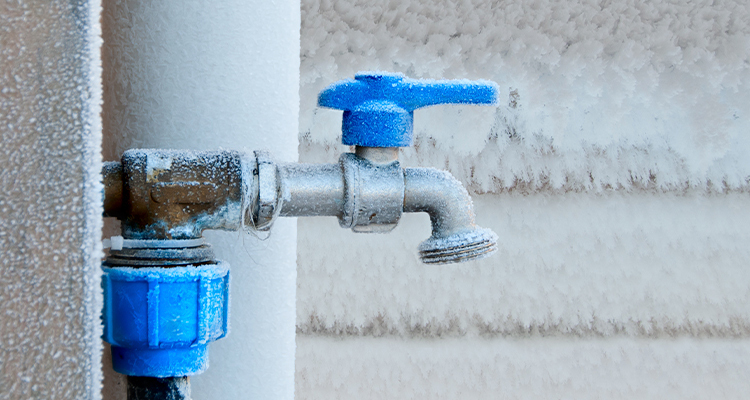
How To Prevent Frozen Pipes As Calgary’s Winter Fades Into SpringCalgary’s winter doesn’t just end in February. March often brings unpredictable temperature swings, with warm daytime highs followed by freezing nights.This constant freeze-thaw cycle creates the perfect conditions for frozen pipes, even though winter seems to be coming to an end. Many homeowners assume that the risk of frozen or burst pipes disappears once temperatures start rising, but the reality is that early spring can be just as dangerous for plumbing systems.At Jack’d Up Plumbing, we specialize in residential and commercial plumbing services to help homeowners and businesses prevent costly plumbing issues caused by Calgary’s unpredictable weather. Whether you need pipe insulation, emergency frozen pipe repairs, or general plumbing maintenance, our experienced team is ready to assist you.The biggest problem with Calgary’s fluctuating temperatures is that pipes expand and contract with sudden temperature shifts. This can cause cracks, leaks, or even full-scale pipe bursts, leading to costly repairs and potential water damage.To help you protect your home, we have put together a detailed guide on how to prevent frozen pipes in Calgary as winter transitions into spring.

Why Do Pipes Freeze in Early Spring?

Understanding why pipes still freeze in March is key to preventing it. Even though temperatures may rise above freezing during the day, nighttime lows often drop well below zero. This back-and-forth cycle places extreme stress on your pipes and increases the likelihood of freezing.Here are the main reasons pipes still freeze in early spring:
  1. Cold Nights, Warm Days – The rapid temperature shifts cause water inside pipes to freeze and expand at night, increasing internal pressure. During the day, as the ice melts, weakened pipes may develop leaks or burst entirely.
  2. Unheated or Poorly Insulated Areas – Basements, crawl spaces, attics, and garages tend to stay much colder than the rest of your home. If pipes run through these areas without insulation, they remain vulnerable to freezing, even as the rest of your house warms up.
  3. Sudden Freezes After Warm Spells – Calgary experiences strong Chinook winds, which can cause a rapid snowmelt. When a sudden freeze follows, residual water in the pipes can freeze quickly, leading to blockages or even damage.
  4. Older or Uninsulated Plumbing – Homes with older pipes or inadequate insulation are more likely to experience frozen or burst pipes during temperature fluctuations. Older galvanized or copper pipes are especially susceptible to cracking under pressure.
Now that we understand the risks, let’s go over the best strategies to prevent frozen pipes as Calgary moves from winter into spring.

1. Insulate Your Pipes for Maximum Protection

One of the most effective ways to stop pipes from freezing is to insulate them properly. Insulation helps maintain warmth, prevents heat loss, and minimizes the effects of freezing temperatures.

Best Insulation Methods for Calgary Homes:

  • Foam Pipe Sleeves – These are affordable, easy to install, and offer a basic level of insulation to keep pipes warm.
  • Heat Tape or Heating Cables – Ideal for pipes in unheated areas, heat tape generates warmth when temperatures drop. This is an excellent solution for pipes in garages, basements, and crawl spaces.
  • Pipe Wraps or Fiberglass Insulation – Wrapping pipes with fibreglass insulation or specialized pipe wrap adds an extra layer of protection against the cold.
  • Spray Foam Insulation – If your basement or crawl space lacks proper insulation, applying spray foam can help retain heat and reduce the risk of frozen pipes.
If you are unsure which insulation method works best for your home, a professional plumber can assess your system and recommend the best solution.

2. Keep Water Flowing to Reduce Freezing Risks

One simple yet effective way to prevent frozen pipes is to let faucets drip slightly during extreme cold snaps. A steady trickle of water keeps water moving through the pipes, making it less likely to freeze.

When Should You Let Faucets Drip?

  • If the forecast predicts temperatures below freezing overnight
  • If pipes run through unheated areas like basements, crawl spaces, or garages
  • If your pipes have frozen in the past and remain vulnerable
  • During a sudden cold snap following a warm spell
While keeping a faucet running may seem wasteful, the small amount of water lost is far cheaper than dealing with a burst pipe and the resulting repairs.

3. Seal Drafts and Prevent Cold Air from Reaching Pipes

Cold air creeping in through small gaps around windows, doors, and pipes can lower temperatures significantly, putting your plumbing at risk. Sealing drafts can help maintain a stable indoor temperature and reduce the chances of freezing.

How to Block Drafts and Protect Your Pipes:

  • Use weatherstripping or caulk to seal cracks around doors, windows, and where pipes enter walls.
  • Close garage doors to keep heat inside and prevent pipes from being exposed to cold air.
  • Insulate crawl spaces and attic vents to reduce heat loss.
  • Open cabinet doors under sinks to allow warm air to circulate around pipes.
If drafts persist, adding additional insulation to your home’s walls and floors can help regulate temperature fluctuations.

4. Maintain a Consistent Indoor Temperature

A sudden drop in your home’s temperature can increase the risk of frozen pipes. Many homeowners turn down their heat at night to save on energy costs, but this can backfire when cold temperatures cause pipes to freeze.

How to Set Your Thermostat for Frozen Pipe Prevention:

  • Keep indoor temperatures above 15°C (59°F) at all times, even if you are away.
  • Avoid lowering your thermostat drastically at night to maintain stable warmth.
  • Consider installing a smart thermostat to regulate temperature based on Calgary’s changing weather.
Keeping your home warm and stable will help prevent unexpected frozen pipe issues.

5. What to Do If Your Pipes Start Freezing

If you turn on a faucet and only a trickle of water comes out, your pipes might be partially frozen. Acting quickly can help prevent a full blockage or pipe burst.

How to Safely Thaw Frozen Pipes:

  • Turn up the heat and open cabinet doors to warm up the area.
  • Use a hairdryer, heating pad, or warm towels to gently thaw frozen sections.
  • Keep faucets open to relieve pressure and allow melting ice to drain.
  • DO NOT use an open flame or blowtorch, as this can damage pipes or start a fire.
If your pipes are completely frozen or you notice bulging or cracks, call a professional plumber immediately to prevent further damage.

6. Schedule a Spring Plumbing Inspection

As the weather warms up, scheduling a professional plumbing inspection can help you identify and fix any issues caused by winter. A licensed Calgary plumber can:
  • Check for hidden pipe damage from previous freezes.
  • Inspect sump pumps and drainage systems to prevent flooding from melting snow.
  • Recommend pipe upgrades for better long-term protection.
If your home has a history of frozen pipes, now is the best time to invest in preventive solutions.

Final Thoughts: Stay Ahead of Calgary’s Unpredictable Weather

While warmer March days may signal the end of winter, Calgary’s spring temperature swings still pose a significant risk to your plumbing. By insulating pipes, keeping a steady temperature, sealing drafts, and ensuring proper water flow, you can prevent costly repairs and avoid frozen pipes.If you’re dealing with frozen pipes or need help preparing your plumbing for spring, Jack’d Up Plumbing is here to help. Our experienced team can assess your system, recommend preventive solutions, and handle any plumbing emergencies.Contact Jack’d Up Plumbing today for expert frozen pipe prevention and repair in Calgary.

How Long Does A Garburator Last? When To Replace Yours

How Long Does A Garburator Last? When To Replace Yours

When it comes to kitchen appliances, garburators (or garbage disposals) often get little attention—until they stop working. These handy devices make meal cleanup effortless, helping you get rid of food waste in seconds.

But like any appliance, they don’t last forever. So, how long can you expect your garburator to last? And how do you know when it’s time for a replacement?

Let’s break it down so you can keep your kitchen running smoothly without any unpleasant surprises with the help of experienced plumbing contractors.

What Is The Average Lifespan Of A Garburator?

On average, a well-maintained garburator can last between 8 to 15 years. However, this lifespan varies depending on factors like frequency of use, maintenance habits, and the overall quality of the unit.

A household that frequently disposes of tough food scraps—like bones, fibrous vegetables, or coffee grounds—may see its garburator wear out faster than one that’s used sparingly. On the other hand, proper care and mindful usage can help extend the life of your unit significantly.

Think of your garburator like a car. If you maintain it well and avoid excessive wear and tear, it will last much longer. But no matter how well you care for it, all garburators eventually need to be replaced.

Signs Your Garburator Needs Replacement

If you’re wondering whether your garburator is nearing the end of its life, here are some key warning signs to watch for:

1. Frequent Clogs or Jams

If your garburator is clogging or jamming more often than usual, it might be struggling to handle the workload. Occasional jams are normal, but if you constantly have to reset it or manually unclog the blades, it could indicate a worn-out motor or dull grinding components.

2. Unusual Noises

Your garburator shouldn’t sound like a construction site every time you turn it on. If you hear grinding, rattling, or screeching noises, something’s not right.

These sounds could mean the blades are damaged or that internal components are wearing down. If the noises persist, it’s time to replace your unit before it breaks completely.

3. Leaks Under The Sink

A leaking garburator is more than just an inconvenience—it can cause water damage and mould growth in your cabinets.

If water is pooling under your sink, check if the garburator is the source of the leak. If repairs don’t fix the issue, replacing the unit is the best solution.

4. Slower Performance

If your garburator isn’t breaking down food waste as efficiently as it used to, or if you find chunks of food left behind, the motor may be weakening. A slower, less effective garburator can lead to clogged pipes and foul odours in your kitchen.

5. Age Of The Unit

If your garburator is more than 10 years old and starting to show signs of wear, consider replacing it before it fails. Newer models are not only more efficient but also quieter and equipped with advanced safety features.

Factors That Affect Garburator Longevity

Several factors influence how long your garburator will last. Here’s what you need to keep in mind:

1. Quality Of The Unit

Not all garburators are of same quality. Higher-end models with stainless steel components and powerful motors tend to last longer than budget-friendly plastic versions. Investing in a quality unit upfront can save you from frequent replacements.

2. Usage Habits

What you put down your garburator matters. Avoid disposing of bones, fibrous vegetables (like celery and corn husks), eggshells, and grease. These materials can dull the blades, strain the motor, and cause blockages in your pipes.

3. Regular Maintenance

Simple maintenance can significantly extend the life of your garburator. Try these tips:

  • Flush with Cold Water: Run cold water for at least 15 seconds after each use to wash away debris.
  • Clean with Ice Cubes & Lemon Peels: Grinding ice cubes helps clean the blades, while lemon peels freshen up the unit.
  • Use Baking Soda & Vinegar: This natural cleaner helps break down buildup and neutralize odours.

4. Proper Installation

A poorly installed garburator is prone to leaks and operational issues. Always hire a professional plumber to ensure correct garburator installation and prevent costly damage down the line.

Repair Vs. Replacement: What’s The Best Option?

When your garburator starts acting up, you might wonder whether you should repair it or replace it entirely. Here’s how to decide:

Repair if:

  • The issue is minor (such as a small clog or loose connection).
  • The unit is less than 5 years old and in good condition.
  • The motor still runs efficiently.

Replace if:

  • The unit is over 10 years old and showing multiple signs of wear.
  • The motor has failed or frequently overheats.
  • There are persistent leaks that repairs can’t fix.

Repairing an aging garburator might seem like a cost-effective choice, but in many cases, a replacement is a smarter investment. Newer models are quieter, more efficient, and come with warranties that offer better long-term value.

How To Choose The Right Replacement Garburator

If it’s time for a new garburator, here’s what to consider when shopping for a replacement:

  • Horsepower Matters: Most households do well with a ½ to ¾ horsepower unit, but if you frequently dispose of tough food waste, go for a 1-horsepower model.
  • Noise Reduction Features: Some newer models come with sound insulation and anti-vibration technology to keep your kitchen quiet.
  • Warranty Coverage: Look for a unit with at least a 2-5 year warranty to protect your investment.
  • Professional Installation: Hiring a professional ensures your new garburator is properly fitted and functions smoothly.

About Us

At Jack’d Up Plumbing, we specialize in high-quality garburator installation, repair, and maintenance services in Calgary. Whether you’re dealing with a jammed unit, leaks, or an aging garburator that needs replacing, our experienced plumbers are here to help.

We understand that a malfunctioning garburator can be a major inconvenience, which is why we offer fast, reliable, and professional services tailored to your needs.

Our team takes pride in delivering top-notch workmanship with every installation and repair, ensuring your kitchen stays functional and hassle-free.

If your garburator is giving you trouble or it’s time for an upgrade, don’t wait—contact us today for expert service you can trust!

What Foods Are Safe (And Not Safe) For Your Garburator?

What Foods Are Safe (And Not Safe) For Your Garburator?

Garburators are a handy addition to many homes, making kitchen cleanup faster and reducing household waste. They’re built to grind soft food particles into small bits that can easily pass through your plumbing.

But despite their convenience, they are not designed to handle all types of food scraps. Misusing a garburator—even with good intentions—can cause clogs, motor strain, and long-term plumbing damage.

While some items break down with ease, others can gum up the system or get stuck in your drainpipes. That’s why knowing what your garburator can and cannot handle is crucial.

In this blog, we’ll cover the safest food types to put in your garburator, which ones to avoid, and how to use this appliance effectively without putting your plumbing at risk with the help of expert plumbers in Calgary.

How A Garburator Works

Before getting into the dos and don’ts, it helps to understand how a garburator functions. Installed beneath your kitchen sink, the garburator connects to your drain and features a grinding chamber with impellers that shred food waste into fine particles. These particles are then flushed away with water through your drainage system.

However, many people assume that a garburator is just a kitchen trash can with a motor, which couldn’t be further from the truth. It’s specifically engineered for soft, biodegradable food scraps and must be used with care. Ignoring the appliance’s limitations can quickly lead to malfunctions or costly plumbing repairs.

What You Can Safely Put Down A Garburator

Used properly, a garburator is a great tool for disposing of small amounts of soft food waste. Here are the most common items that are safe for disposal:

Soft Fruits And Vegetables

Small scraps of fruit and vegetables—such as cucumber peels, apple cores (without seeds), or soft berries—break down easily. These are ideal for garburator use, especially in moderation.

Cooked Grains And Soft Leftovers

Leftover rice, pasta, and cooked veggies are okay in small amounts. Be cautious though—grains can absorb water and expand, which could cause blockages if dumped in bulk.

Citrus Peels

Orange, lemon, and lime rinds are safe in limited quantities. They can even help freshen up the unit naturally. Just be sure to break them into smaller pieces first.

Small Bits Of Cooked Meat

Tiny remnants of cooked meat—like chicken or beef scraps—can go down the drain. That said, avoid anything fatty, greasy, or containing bones.

Important Tip: Always run cold water before, during, and after operating the garburator. This helps flush particles down the drain and keeps oils solidified so they don’t clog your pipes.

Foods You Should Never Put In Your Garburator

Despite their durability, garburators are sensitive to certain types of waste that can damage internal parts or lead to serious clogs. Here’s what you should always keep out of your unit:

Grease, Fat, And Cooking Oil

Once poured down the drain, fats solidify and cling to the walls of your pipes. Over time, this leads to buildup that causes serious blockages. Even if you flush with hot water, grease will eventually cool and harden.

Eggshells

While they may seem harmless, the thin membrane inside eggshells can wrap around the impellers and dull the blades. The shells can also combine with other debris to form clumps that block the pipes.

Coffee Grounds

These may seem like fine particles, but once wet, coffee grounds turn into a thick paste. This sludge settles in the pipes and traps other waste, leading to slow drains or full-on clogs.

Fibrous Vegetables

Items like celery, asparagus, corn husks, and artichokes contain stringy fibres that wrap around the grinding mechanism and cause jams. They’re better off in the compost bin.

Pasta, Rice, And Starchy Foods

These expand when exposed to water, forming a gluey mess that sticks to your pipes and narrows the water flow. If you’ve ever tried cleaning dried pasta off a plate, imagine that inside your plumbing.

Bones, Fruit Pits, And Seafood Shells

Garburators are not designed for hard objects. Trying to grind bones, peach pits, or shrimp shells can break or jam the blades and ruin the motor.

Smart Habits For Long-Term Garburator Use

Want to avoid plumbing repairs and get the most out of your garburator? Follow these simple best practices:

  • Run cold water consistently during and after use to flush everything through the system.
  • Break down large scraps into smaller pieces to avoid overloading.
  • Avoid dumping multiple food types all at once, especially if they contain oils or starches.
  • Clean your unit weekly by grinding a few ice cubes followed by citrus rinds to eliminate residue and odours.
  • Never use chemical drain cleaners—they can corrode internal parts and damage pipes. Use a baking soda and vinegar solution instead if needed.

More usage and maintenance advice can be found on The City of Calgary’s official waste disposal page.

When To Call For Help

Despite your best efforts, your garburator might still act up, especially if it’s aging or was improperly used in the past. Look out for these signs:

  • Persistent odours even after cleaning
  • Unusual noises like grinding or rattling
  • Water draining slower than usual
  • Leaks under the sink or around the base
  • A burning smell or the unit failing to turn on
  • Frequent jams preventing the garburator from working properly

If you’re noticing any of the above, it’s a good time to get your garburator replaced by a licensed plumber.

Keep Your Kitchen Running Smoothly

Garburators are great kitchen tools when used with care. Knowing what they can and can’t handle helps prevent backups, clogs, and appliance damage.

The next time you’re cleaning up after dinner, pause before tossing scraps into the sink. A few small changes in how you use your garburator can save you major plumbing headaches down the line.

About Us

At Jack’d Up Plumbing, we provide expert residential plumbing services across Calgary, including garburator installation, repair, and seasonal plumbing maintenance. Our focus is on delivering professional, efficient solutions tailored to your home, not sales pitches or gimmicks. We don’t offer free quotes, but we offer honest service that gets to the point and gets the job done right.

Contact us today for more information.

Is It Time To Replace Your Calgary Home’s Outdoor Hose Bib?

Is It Time To Replace Your Calgary Home’s Outdoor Hose Bib?

As spring arrives in Calgary, it’s time to prepare your home’s exterior for the warmer months ahead. One of the most overlooked—but essential—components of your home’s outdoor plumbing system is the hose bib, also known as the outdoor faucet. After enduring Calgary’s freezing winter temperatures, hose bibs are often among the first fixtures to show signs of wear. Ignoring a leaking or damaged outdoor faucet can lead to wasted water, higher utility bills, and even water damage inside your home. So, how do you know when it’s time for a replacement? And why should you act now, not later? In this blog, we’ll cover everything you need to know about hose bib replacement with the help of a professional plumber in Calgary.

What Is A Hose Bib?

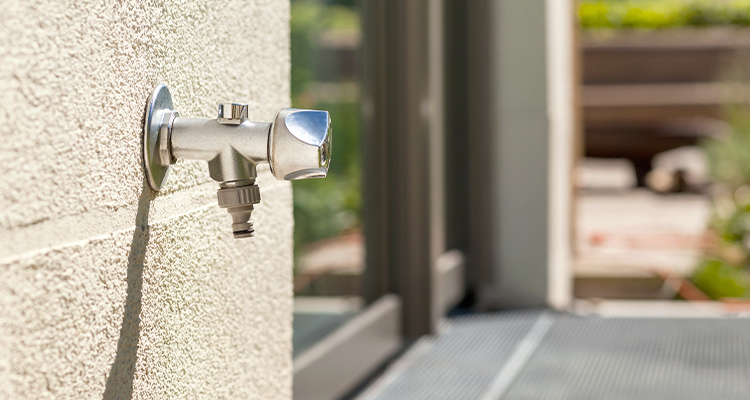
A hose bib is the exterior faucet that allows you to connect a garden hose to your home’s plumbing system. It’s essential for outdoor chores such as watering the lawn, washing your car, or filling up a kiddie pool.

In Calgary, most homes are equipped with frost-free hose bibs, which are designed to prevent freezing and pipe damage during cold winters. However, these fixtures still require maintenance and, over time, may need to be replaced.

As Calgary’s climate includes extended freezing conditions, hose bibs are especially vulnerable to damage if not properly shut off and drained before winter. The expansion of frozen water can cause cracks in the valve or connected pipes—problems that often go unnoticed until spring.

Signs Your Hose Bib Needs Replacing

Not sure if your hose bib needs attention? Below is a breakdown of the most common signs that your outdoor faucet may be due for a replacement.

Common Hose Bib Issues

IssuePossible CauseRecommended Action
Constant leakingWorn washer or internal valve damageReplace the hose bib
Cracked or rusted spoutFreeze damage or corrosionFull replacement recommended
Loose or difficult handleStripped or broken stemReplace fixture
Low water pressureBlockage or damaged pipe connectionInspect and possibly replace
Water spraying behind faucetBroken seal or interior pipe crackCall a plumber for full inspection

If you notice one or more of these issues, it’s time to consider calling a professional plumber in Calgary to replace the hose bib and prevent further damage.

Why Spring Is Ideal For Hose Bib Replacement

Spring is the best time of year to inspect and replace your outdoor plumbing fixtures. The ground has thawed, and warmer weather makes it easier to work on external plumbing connections.

More importantly, spring is the first season your hose bib will be put to use after months of inactivity. If you skip inspection and jump into using it, you could unintentionally cause flooding or damage to your home’s interior walls or basement.

According to the Insurance Bureau of Canada, water damage is the leading cause of property insurance claims in Canada. A small outdoor faucet leak can escalate quickly if water seeps into your foundation or wall cavities.

Why DIY Isn’t Always A Good Idea

You might be tempted to replace your hose bib yourself. After all, it’s “just a faucet,” right? Not quite. Hose bibs are connected to your indoor plumbing, and improper installation can lead to:

  • Leaks inside the wall
  • Mismatched pipe fittings
  • Code violations
  • Backflow issues

A professional plumber can ensure:

  • The main water supply is safely shut off
  • All connections are sealed properly
  • A frost-proof hose bib is installed correctly
  • Your interior plumbing is inspected for hidden damage

What Happens During Hose Bib Replacement?

Here’s a step-by-step look at what happens during a typical faucet replacement:

  • Shut off the water supply to the exterior faucet.
  • Drain any remaining water in the line to prevent spills.
  • Remove the old hose bib using proper plumbing tools.
  • Inspect surrounding plumbing for signs of cracks or wear.
  • Install a new frost-proof hose bib, ensuring tight seals.
  • Test the faucet for pressure, leaks, and performance.
  • Insulate as needed for long-term protection.

This process usually takes between 1–2 hours and offers peace of mind knowing your outdoor faucet won’t cause trouble later in the season.

Why Hire A Professional Plumber In Calgary

Handling hose bib replacement may seem like a quick DIY task, but without the right tools and experience, it can lead to interior pipe damage, poor sealing, or future leaks.

A licensed plumber ensures the job is done correctly—from shutting off the water supply to securely installing a frost-proof fixture suited to Calgary’s climate.

Professionals also inspect surrounding plumbing, check for signs of freeze damage, and offer advice on how to protect your outdoor plumbing long-term. With expert help, homeowners can avoid trial-and-error repairs and enjoy reliable water access all season long.

Looking Ahead To A Leak-Free Season

As you tackle your spring home maintenance checklist, don’t overlook the small fixtures that play a big role. Outdoor faucets may not be top of mind, but addressing them now can prevent disruptions when you need them most.

A properly functioning hose bib means fewer hassles, lower water bills, and confidence that your outdoor plumbing is ready for everything from gardening to summer cleanups. Taking care of it today sets your home up for a smoother, stress-free season ahead.

About Jack’d Up Plumbing

At Jack’d Up Plumbing, we take pride in delivering quality residential plumbing services in Calgary. From spring maintenance and outdoor faucet replacements to clogged drain solutions and garbage disposal installations, we’re here to help. Our team doesn’t offer free quotes, but we do offer straight talk and solid workmanship that gets the job done right.

Contact us today to learn more or schedule your next service.