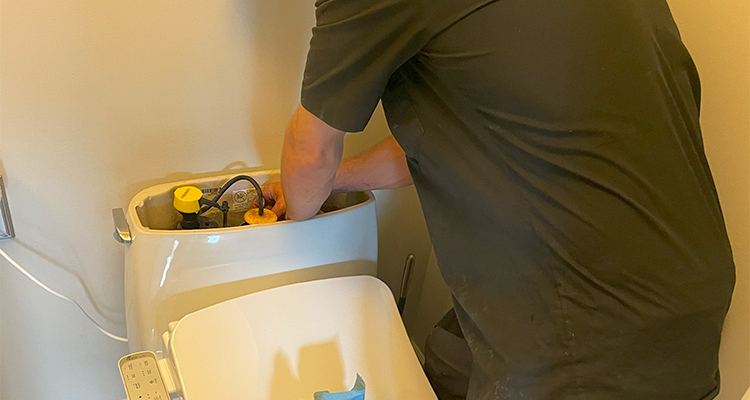
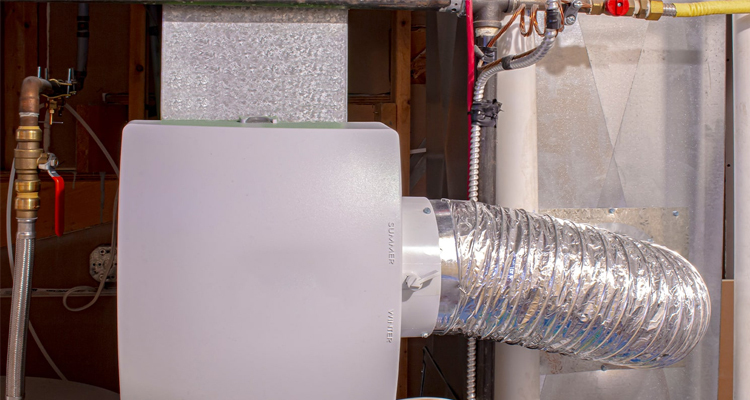
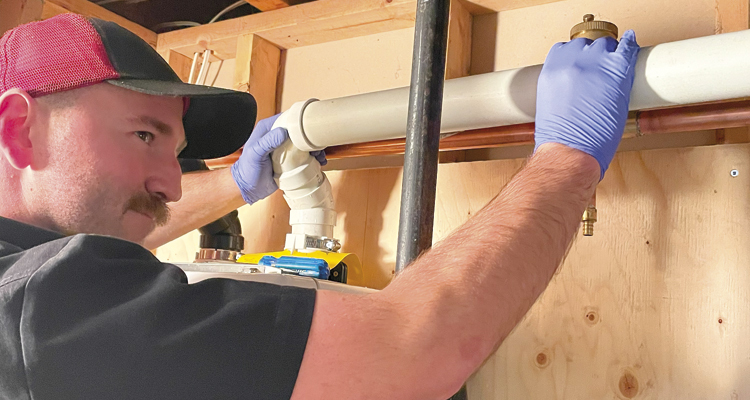
The Importance Of Regular Drain Cleaning For A Healthy Home

The Importance Of Regular Drain Cleaning For A Healthy Home

Have you ever dealt with a slow drain or a foul smell coming from your sink? You’re not alone. Clogged and slow drains are one of the most common household problems, and they always seem to happen at the worst possible time.

Whether it’s standing water in the shower or a kitchen sink that takes forever to drain, these issues can be frustrating — and sometimes even embarrassing when you have guests over.

What many homeowners don’t realize is that regular drain cleaning is essential for maintaining a healthy and efficient plumbing system. Over time, grease, soap scum, hair, and other debris can build up inside your pipes, leading to blockages, unpleasant odors, and even potential pipe damage.

That’s why scheduling professional drain cleaning in Calgary is so important. By keeping your drains clean and free-flowing, you can prevent costly repairs, improve your home’s water flow, and ensure a healthier living environment.

Let’s talk about why regular drain cleaning should be a key part of your home maintenance routine.

Why Regular Drain Cleaning Matters

Keeping your drains clean is more than just a way to avoid clogs — it’s a crucial part of maintaining a healthy and efficient plumbing system.

Regular drain cleaning helps address minor issues before they become major problems, saving you time and money in the long run. Here’s why regular drain cleaning matters:

1. Prevents Stubborn Clogs and Backups

Over time, hair, soap scum, grease, food particles, and other debris can build up inside your pipes. Without regular cleaning, this buildup can harden and create stubborn clogs that are difficult to clear.

A professional plumbing company in Calgary removes this buildup before it leads to a complete blockage, preventing water backups and potential flooding.

2. Reduces the Risk of Pipe Damage

Clogs and blockages don’t just disrupt water flow — they can also put pressure on your pipes, causing cracks, leaks, or even bursts. Regular drain cleaning helps reduce this pressure by keeping your pipes clear, protecting them from long-term damage and saving you from costly repairs.

3. Improves Water Flow and Drainage Efficiency

Have you noticed that your sink or shower takes longer to drain than it used to?

Slow drainage is often caused by a partial blockage or buildup in your pipes. Regular cleaning restores proper water flow, ensuring that your drains work efficiently and effectively.

4. Extends the Lifespan of the Plumbing System

Just like any other part of your home, your plumbing system requires regular maintenance to function properly. Over time, debris and buildup can corrode your pipes and cause wear and tear.

Regular drain cleaning helps maintain the integrity of your plumbing system, extending its lifespan and reducing the need for expensive replacements.

Signs Your Drains Need Cleaning

Not sure if it’s time to schedule a professional drain cleaning? Here are some clear signs that your drains need attention:

1. Slow Drainage

If your sink or shower is draining slowly, it’s a sign that a blockage is forming in the pipes. The problem will only get worse over time, so it’s best to address it early with professional cleaning.

2. Unpleasant Odours

A foul smell coming from your drains is usually a sign that food particles, grease, or other debris are trapped in your pipes and starting to decompose. Cleaning the drains will remove the buildup and eliminate the odour.

3. Gurgling Sounds from the Pipes

If you hear gurgling or bubbling sounds when water is draining, it’s often a sign of trapped air caused by a blockage. This is an early warning that your pipes are not draining properly and need cleaning.

4. Frequent Backups or Standing Water

If water is backing up into your sink, shower, or bathtub, it’s a serious sign that your drains are clogged. In some cases, this could indicate a deeper issue in your main sewer line.

Professional drain cleaning services in Calgary can help identify and resolve the problem before it causes further damage.

Regular drain cleaning is a simple yet effective way to keep your plumbing system running smoothly. Ignoring these signs can lead to more severe plumbing problems, so it’s important to act quickly when you notice any of them.

Benefits of Professional Drain Cleaning Services

While some homeowners try to tackle drain issues with store-bought cleaners or DIY methods, professional drain cleaning provides a deeper, longer-lasting solution.

Here’s why hiring a professional for drain cleaning in Calgary is more effective than doing it yourself:

1. Professional-Grade Equipment Clears Deep Blockages

Store-bought chemical cleaners and plungers might provide temporary relief, but they rarely address the root cause of the problem. Professional plumbers use advanced equipment like high-pressure hydro jets and drain snakes that can break through deep clogs and completely clear your pipes.

This ensures that water can flow freely without the risk of recurring blockages.

2. Reduces Buildup of Grease, Hair, and Debris

Hair, soap scum, and grease are among the most common causes of clogged drains. Over time, these materials stick to the walls of your pipes, creating thick blockages. Professional drain cleaning effectively removes this buildup, restoring proper water flow and preventing future clogs.

3. Prevents Damage from Harsh Chemical Cleaners

Many store-bought drain cleaners rely on harsh chemicals that can corrode your pipes over time. This can lead to leaks, cracks, and expensive repairs. Professional plumbers use safe and effective methods that protect your plumbing system while thoroughly cleaning your drains.

Preventive Tips for Healthy Drains

Regular maintenance can help keep your drains clear and prevent costly repairs. Here are some simple but effective tips to maintain healthy drains between professional cleanings:

1. Use Drain Strainers to Catch Debris

Install drain strainers in your sinks, showers, and bathtubs to catch hair, food particles, and other debris before they enter your pipes. This simple step can significantly reduce the risk of clogs.

2. Avoid Pouring Grease or Oil Down the Drain

Grease and oil solidify when they cool, leading to buildup and blockages in your pipes. Instead of pouring grease down the drain, collect it in a container and dispose of it in the trash.

3. Regularly Flush Drains with Hot Water and Baking Soda

Pouring a mixture of hot water and baking soda down your drains once a month can help dissolve minor buildups and keep your pipes clean. This natural solution is safe and effective for most plumbing systems.

4. Schedule Annual Professional Inspections

Even if your drains seem to be working fine, scheduling a professional inspection once a year can help identify hidden issues before they become major problems. A professional plumber can clear any developing blockages and ensure your plumbing system is in top condition.

Why Calgary Homeowners Should Prioritize Drain Cleaning

Living in Calgary comes with unique plumbing challenges that make regular drain cleaning even more important.

Here’s why local homeowners need to be proactive about drain maintenance:

1. Hard Water Buildup

Calgary has moderately hard water, which means it contains a higher concentration of minerals like calcium and magnesium.

Over time, these minerals can build up inside your pipes, narrowing the flow of water and increasing the risk of clogs. Professional drain cleaning removes mineral buildup and restores proper drainage.

2. Increased Risk of Frozen Pipes in Winter

Calgary’s harsh winters increase the risk of frozen pipes, especially if your drains are partially clogged. When water freezes inside your pipes, it can cause cracks and bursts.

Keeping your drains clear ensures that water can flow freely and reduces the risk of freezing and damage.

How Professional Drain Cleaning Prevents These Issues

Professional drain cleaning addresses both mineral buildup and debris accumulation, ensuring that your plumbing system functions properly year-round. A professional plumber can also inspect your pipes for potential damage and provide solutions to prevent future problems.

Professional drain cleaning isn’t just about fixing problems — it’s about preventing them. For Calgary homeowners, regular drain maintenance can help avoid expensive repairs, protect pipes from damage, and ensure a smooth, trouble-free plumbing system.

Choosing a Professional Drain Cleaning Service in Calgary

When it comes to drain cleaning, hiring the right professional can make all the difference. Not all plumbing companies offer the same level of service, so it’s important to choose a provider that understands the unique challenges of Calgary’s plumbing systems.

Here’s what to look for when selecting a professional drain cleaning service:

1. Licensed and Insured Professionals

Make sure the plumbing company you hire is fully licensed and insured. This ensures that the technicians have the proper training and expertise to handle any drain-related issue safely and effectively.

Insurance also protects you from liability in case of accidental damage during the cleaning process.

2. Experience with Calgary’s Plumbing Challenges

Calgary’s climate and hard water conditions create specific challenges for plumbing systems. An experienced local plumber will know how to handle issues like hard water buildup, frozen pipes, and mineral deposits.

Look for a company with a proven track record in the Calgary area.

3. Positive Customer Reviews and Referrals

Check online reviews and ask for referrals from friends or neighbours. A reputable plumbing company will have positive feedback from satisfied customers and be willing to provide references upon request.

Consistently high ratings and glowing testimonials are strong indicators of quality service.

Conclusion

Regular drain cleaning is essential for maintaining a healthy and efficient plumbing system. It helps prevent stubborn clogs, reduces the risk of pipe damage, improves water flow, and extends the lifespan of your plumbing.

Ignoring early warning signs can lead to expensive repairs and potential water damage — but with professional drain cleaning, you can keep your drains running smoothly all year long.

Don’t wait for a clog to become a disaster. Take action now to protect your home’s plumbing system. A professional drain cleaning service in Calgary can identify potential problems early and save you from costly repairs down the road. Learn more about this.

👉 Don’t wait for a small issue to turn into a major problem. Contact our professional team today for expert drain cleaning in Calgary!

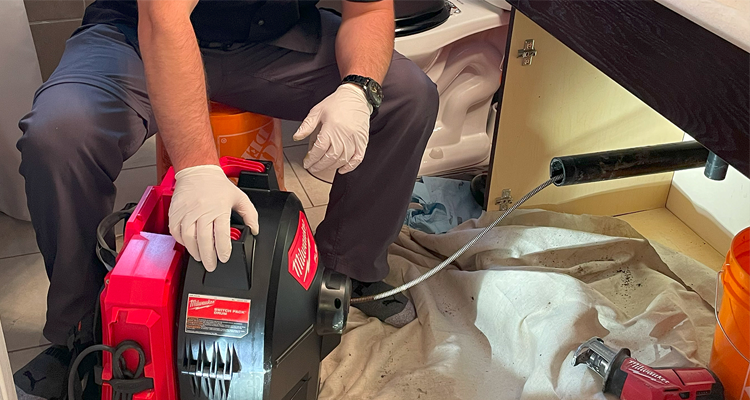
Why Is My Tap Water Brown? Causes, Risks, and What to Do

Brown tap water caused by rust and sediment buildup in household plumbing
Rust and sediment stirred up in water lines can temporarily cause tap water to turn brown.

Have you ever noticed your tap water suddenly turn brown or murky overnight? Discolored water flowing from your faucets can be alarming, especially when it appears without warning.

Brown tap water is usually caused by rust, sediment, or mineral particles inside water pipes. While it is often a temporary issue and not a serious health risk, brown water should never be consumed and can stain fixtures, damage appliances, and affect water quality.

Understanding what causes brown tap water can help you determine whether the problem is temporary or a sign of a plumbing issue that requires professional attention.

What Causes Tap Water to Turn Brown?

Brown tap water is usually caused by rust, sediment, or mineral particles that become loose inside water pipes. This often happens after water pressure changes, city line maintenance, aging plumbing, or sudden increases in water demand.

Is Brown Tap Water Dangerous?

In most cases, brown tap water is not a serious health risk, but it should not be consumed. The discoloration usually comes from rust or sediment, which can stain fixtures, damage appliances, and affect taste.

  •  Not safe for drinking
  • May stain laundry and sinks
  • Generally safe for short showers
  • Persistent discoloration requires inspection

Common Causes of Brown Tap Water

City Water Line Maintenance or Pressure Changes

Routine maintenance such as cleaning city water lines or adjusting pressure can stir up rust and sediment inside pipes, causing temporary brown water.So, If your water suddenly changes from clear to murky on the same day and all of the faucets at your home have discolored water coming out of them, then the problem is most likely due to a pressure change in your city’s water lines.In these types of situations don’t use warm water so that the rusty water does not go to your water geyser. When the cause of brown water in your pipes is caused by a pressure change in your city’s water line it usually clears up in a couple of hours.

Corroded or Aging Water Pipes Inside the Home

Another common reason for brown water can be the corrosion of your house’s water lines.Homes built before 1960 often contain steel or iron pipes that corrode over time, releasing rust into the water. If the discolored water is only coming out of one or several faucets (but not all of them), or if your water is discolored every morning but runs clear once you’ve had the tap running for a few minutes, chances are that the problem is with the water lines in your home.To fix this problem you will need to call a professional plumber who can change the corroded taps in your home.

Water Filtration or Treatment Problems

If filtration systems fail or are undersized, sediment can pass through and discolor tap water. Sometimes your water may appear discolored due to your water filtration system not working properly. However, although this is rare in big cities, it can still happen in small towns. This happens when the water filtration equipment is not designed to handle the correct volume of water or the equipment is in need of repair. If you’re facing a similar issue you can call a plumber to fix your filtration equipment.

Sudden Surge in Local Water Demand

Fire hydrant use, construction, or high seasonal water usage can disturb sediment inside water mains.

When there is a surge in the demand for water, a lot of water flows from the water lines. Water pipes have a layer of dust, rust, and other sediments. When there is a surge in water flow the freshwater can mix with these dust particles and cause the water to discolor. It will take several days for the water to return to its original condition.

How to Identify Where the Brown Water Is Coming From

Below is a checklist that will help you out to identify the source of brown water.
  • All faucets affected: Likely a city water issue

  • One faucet affected: Local pipe or fixture corrosion

  • Only hot water: Possible water heater rust

  • Clears after running: Sediment buildup

  • Persistent discoloration: Professional inspection needed

What To Do When Your Tap Water Turns Brown

  • Run cold water for 10–15 minutes
  • Avoid using hot water appliances
  • Do not wash clothes
  • Check if neighbors are affected
  • Monitor for clearing
If the water does not clear after flushing cold taps, further investigation is recommended.

When to Call a Professional Plumber

  • Brown water lasts more than 48 hours
  • Water smells metallic or sulfur-like
  • Stains appear repeatedly
  • Your home has older steel pipes

About Jack’d Up Plumbing

Brown tap water issues are common in Calgary homes, especially in older neighborhoods with aging plumbing systems. Jack’d Up Plumbing is a fast and affordable plumbing service company in Calgary. We specialize in drain cleaning and other plumbing-related services such as water and gas leak repair, bathroom and kitchen plumbing repairs and installations, water heater service, furnace repair & installation, and more. Contact us here for more information. 

Sewer & Drain Cleaning Myths You Need To Stop Believing

Sewer & Drain Cleaning Myths You Need To Stop Believing

We’ve all heard them—plumbing tips passed down from family, friends, or even the internet. But when it comes to sewer and drain cleaning, many of these so-called “hacks” or “quick fixes” are more myth than reality.

In fact, some of these common misconceptions can actually make things worse, leading to costly repairs, clogged drains, and even serious plumbing damage.

It’s easy to believe that a little hot water or a store-bought cleaner will magically fix a slow drain, but not all solutions are created equal. Some of the most popular DIY tricks may temporarily mask the problem while allowing hidden issues to grow.

And when the real trouble strikes, it’s usually at the worst possible time—a flooded kitchen sink, a backed-up toilet, or even a sewer line emergency.

So how do you separate fact from fiction? Let’s clear up the confusion and debunk some of the most common sewer and drain cleaning myths, with the help of expert plumbing contractors, so you can keep your plumbing in top shape and avoid unnecessary headaches.

Myth #1: Store-Bought Drain Cleaners Are The Best Fix

It’s tempting to reach for a bottle of chemical drain cleaner when your sink or shower starts draining slowly. These products promise a quick fix, but they often do more harm than good.

The Truth

Most store-bought drain cleaners contain harsh chemicals like sodium hydroxide or sulphuric acid, which can corrode your pipes over time. While they might clear minor clogs, they don’t address the underlying issue. If your pipes have buildup, grease, or tree roots, chemical cleaners won’t do the trick.

What To Do Instead

  • Try using a drain snake or plunger for minor clogs.
  • Use a natural mix of baking soda and vinegar, followed by hot water.
  • For stubborn clogs, call a professional who can use safe and effective methods like hydro jetting.

Myth #2: If Water Is Draining, There’s No Problem

Many homeowners assume that as long as water is going down the drain, everything is fine. But slow drainage or occasional gurgling can indicate a bigger issue.

The Truth

A slow drain is an early warning sign of buildup in your pipes, tree root intrusion, or a developing sewer line problem. Ignoring it could lead to a complete blockage, causing backups and potential flooding in your home.

What to Do Instead

  • Pay attention to gurgling noises or foul odours coming from your drains.
  • If water is draining slowly, don’t wait—schedule a professional sewer and drain cleaning before the issue worsens.
  • Routine maintenance can prevent costly repairs down the road.

Myth #3: Running Hot Water Prevents Clogs

We’ve all heard the advice: “Just run hot water down the drain, and you won’t get clogs.” While it sounds logical, it’s not entirely accurate.

The Truth

Hot water can help melt grease temporarily, but once it cools, the grease hardens again—further down your pipes. Over time, this can lead to a significant clog, especially in kitchen drains.

What to Do Instead

  • Avoid pouring grease or oil down the drain. Instead, let it solidify and dispose of it in the trash.
  • Install a drain strainer to catch food particles before they enter your pipes.
  • Schedule regular drain cleaning services to prevent grease buildup.

Myth #4: DIY Drain Snakes Work Just As Well As Professional Tools

You might think that a store-bought drain snake is just as effective as professional plumbing tools, but that’s rarely the case.

The Truth

While a basic drain snake can remove small clogs close to the drain opening, it won’t reach deeper blockages, grease buildup, or tree roots in your sewer line.

Professional plumbers use advanced tools like high-pressure hydro jetting and motorized augers to fully clear your pipes without damaging them.

What to Do Instead

  • If a plunger or basic snake doesn’t clear the clog, don’t force it—it could damage your pipes.
  • Call a sewer and drain cleaning professional who can safely and effectively remove deep blockages.

Myth #5: Sewer Line Issues Only Happen In Older Homes

Many homeowners believe that sewer line problems are only a concern for older homes. Unfortunately, that’s not true.

The Truth

Newer homes can still experience sewer line issues due to poor installation, shifting soil, and tree root intrusion. Even if your home is just a few years old, tree roots can break into your sewer pipes looking for water, causing serious blockages.

What to Do Instead

  • If you notice multiple drains clogging at the same time, it could indicate a sewer line problem.
  • Consider a camera inspection to check for hidden damage in your pipes.
  • Regular maintenance is essential, regardless of your home’s age.

Why Professional Sewer & Drain Cleaning Matters

Taking care of your plumbing system is crucial to preventing costly damage and ensuring your home runs smoothly. Professional sewer and drain cleaning services provide:

  • Thorough Inspections – Detecting early issues before they escalate.
  • Advanced Equipment – Using tools like hydro jetting for deep cleaning.
  • Long-Term Solutions – Preventing recurring clogs and pipe damage.
  • Safe & Eco-Friendly Methods – Avoiding harsh chemicals that harm pipes and the environment.

If you suspect a sewer or drain problem, don’t wait until it becomes a plumbing disaster. A professional plumber can assess the issue and provide a long-term solution that keeps your home’s drainage system working efficiently.

About Us

At Jack’d Up Plumbing, we specialize in professional sewer and drain cleaning services, helping homeowners keep their plumbing systems in peak condition.

Whether you’re dealing with stubborn clogs, slow drains, or a full sewer line blockage, our expert team is here to help. With years of experience and advanced tools, we ensure your drains run smoothly and efficiently.

For more information, contact us today.

How To Fix A Running Toilet & Reduce Water Waste

How To Fix A Running Toilet & Reduce Water Waste

A running toilet is one of those plumbing issues that many homeowners ignore—until they see their water bill skyrocket. That constant trickling sound may seem like a minor inconvenience, but over time, it can lead to hundreds of litres of wasted water every day.

Not only does this increase your water bill, but it also places unnecessary stress on the environment. The good news? Fixing a running toilet is easier than you think, but in some cases, you might need professional plumbers to do it.

In this blog, we’ll walk you through step-by-step instructions on how to fix a running toilet, reduce water waste, and ensure your plumbing system is working efficiently. Let’s dive in and get that annoying leak under control!

Why Is Your Toilet Running? Understanding The Problem

Before fixing the issue, it’s important to understand what’s causing the toilet to run. A toilet keeps running when the internal components fail to control the water flow correctly. Here are the most common culprits:

  • 1. Faulty Flapper
    The flapper is the rubber seal at the bottom of the tank. It lifts when you flush and closes once the tank refills. If the flapper is worn out or not sealing properly, water will continue to leak into the bowl.
  • 2. Faulty Fill Valve
    The fill valve controls how much water refills the tank. If it malfunctions, it may allow continuous water flow, leading to an overfilled tank.
  • 3. Incorrect Float Height
    The float determines how much water enters the tank. If it’s set too high, the water level rises too much, causing overflow into the overflow tube.
  • 4. Chain Issues
    If the chain connecting the flush handle to the flapper is too long or too short, the flapper won’t close properly, causing water leakage.

Keep reading to learn more about how toilet mechanisms work.

How To Fix A Running Toilet: Step-By-Step Guide

A running toilet can waste a significant amount of water and increase your utility bill. While it may seem like a simple issue, properly fixing a running toilet often requires professional expertise to avoid further complications.

Here’s an overview of the key steps involved:

Step 1: Turn Off The Water Supply

Before making any adjustments, the water supply to your toilet needs to be shut off. The shut-off valve is usually located behind or below the toilet—turn it clockwise to stop the flow.

Step 2: Inspect And Replace The Flapper

Lift the toilet tank lid and check if the flapper is properly sealing the flush valve. If the flapper appears worn, brittle, or misaligned, it may need to be replaced.

Proper installation of the flapper is crucial to prevent future leaks. A professional plumber can ensure the new flapper is correctly fitted and sealed.

Step 3: Adjust The Float Level

If your toilet has a float ball, the arm may need to be adjusted to reduce the water level. For float cup models, the adjustment screw can be turned to lower the water level.

Ensuring the float level is set correctly is essential to prevent overfilling and continuous running.

Step 4: Fix Or Replace The Fill Valve

If the fill valve is continuously running, it may need to be cleaned or replaced. Adjusting the valve’s float mechanism can sometimes resolve the issue, but if the valve is old or damaged, replacement is often the best solution.

A professional plumber will have the right tools and expertise to handle fill valve repairs or replacements safely.

Step 5: Adjust The Chain

The chain connecting the flapper to the flush lever should have a little slack but not be too loose or too tight. If the chain is too tight, it will prevent the flapper from sealing properly.

If it’s too long, it could get caught under the flapper. A skilled plumber can make the proper adjustments to ensure smooth flushing without any lingering issues.

Step 6: Turn The Water Back On & Test

Once the necessary repairs are made, the water supply needs to be turned back on carefully. The tank should refill, and the toilet should flush properly.

A professional plumber will test the system to confirm that the issue is fully resolved and that there are no underlying problems.

How Fixing A Running Toilet Helps Reduce Water Waste

A constantly running toilet can waste hundreds of litres of water daily, increasing your utility bills and impacting the environment. By fixing the issue promptly, you can:

  • Save Money: Reducing unnecessary water use leads to lower water bills.
  • Conserve Water: Every drop saved contributes to a more sustainable water supply.
  • Prevent Damage: Continuous leaks can lead to bathroom water damage, causing costly repairs.

When To Call A Professional Plumber

While many toilet repairs are simple, DIY is not a good option most of the time. If you’ve tried the above steps and your toilet is still running, it could be due to:

  • A cracked toilet tank or base
  • Persistent leaks despite replacing components
  • Water damage around the base of the toilet

A professional residential plumbing service can diagnose and fix complex toilet issues efficiently. Experts have the right tools and experience to ensure the repair lasts.

About Us

Jack’d Plumbing is a team of experienced plumbers dedicated to providing top-notch residential plumbing services.

Our goal is to ensure that your home’s plumbing system functions efficiently, saving you money and preventing unnecessary water waste. Whether you need repairs, installations, or emergency plumbing services, our skilled team is here to help.

For more information, contact us today.

5 Must-Know Tips For Maintaining Humidifiers In Calgary

5 Must-Know Tips For Maintaining Humidifiers In Calgary

Humidifiers are essential for maintaining balanced indoor humidity levels in Calgary. They improve air quality and overall comfort, helping to prevent issues like dry skin, irritated sinuses, and damage to wooden furniture. By adding moisture to the air, they create a healthier and more comfortable living environment.

Proper maintenance is the key to keeping your humidifier running efficiently. A well-maintained humidifier not only improves indoor comfort but also extends its lifespan. Did you know that with the right care, your humidifier can even enhance the performance of your home’s plumbing and heating systems in Calgary?

When you need expert help, Calgary’s skilled plumbing contractors are always ready to assist. After all, even small improvements, like routine maintenance, can make a big difference—like sipping a hot cup of tea on a cold Calgary evening!

Tip #1: Clean The Humidifier Regularly

Keeping your humidifier clean is essential for maintaining a healthy home environment. A dirty humidifier can become a breeding ground for mold and bacteria. Learn more about the role of humidifiers in cold weather.

These harmful particles can then circulate in the air, leading to health issues like allergies and respiratory problems. Cleaning your humidifier regularly prevents these risks and ensures it works efficiently.

Step-By-Step Cleaning Tips

Turn Off And Unplug The Humidifier

Always start by disconnecting your humidifier from the power source. This ensures safety during cleaning.

Disassemble The Humidifier

Remove all detachable parts, such as the water tank, base, and filter. Check the user manual for specific instructions.

Empty And Rinse The Water Tank

Empty the tank completely to remove stagnant water. Rinse it thoroughly with clean, warm water.

Use Vinegar To Remove Mineral Deposits

Fill the tank with a solution of equal parts white vinegar and water. Let it sit for 15-20 minutes to dissolve mineral buildup. Scrub gently with a soft brush to remove any stubborn residue.

Clean The Base And Other Parts

Wipe the base and other components with a damp cloth. Use a mild detergent or vinegar solution for areas with visible residue.

Rinse And Dry Thoroughly

Rinse all parts with clean water to remove cleaning agents. Allow them to air dry completely before reassembling the humidifier.

Reassemble And Refill

Once dry, reassemble the humidifier and refill it with fresh, distilled, or filtered water.

Tip #2: Replace The Filter Frequently

Replacing your humidifier’s filter is one of the most important steps in maintaining its efficiency and ensuring clean air.

The filter plays a crucial role in trapping dirt, dust, and minerals before they circulate in your home. A clogged or dirty filter can lower air quality and reduce your humidifier’s effectiveness.

Why Filters Are Critical For Air Quality?

Humidifier filters act as a barrier that removes impurities from the water before it turns into mist.

Over time, filters can accumulate mineral deposits, bacteria, and dust. When left unchecked, these contaminants can recirculate into the air, leading to health problems like allergies and respiratory issues.

How Often Should You Replace The Filter?

How frequently you should replace the filter depends on your usage and Calgary’s air and water conditions. Calgary’s hard water accelerates mineral buildup, which may clog filters faster.

  • Daily or Heavy Use: Replace the filter every 1 to 2 months.
  • Moderate Use: Change the filter every 3 months.
  • Occasional Use: Check the filter after each use and replace it if needed.

Signs Your Filter Needs Replacing

Look for these common signs that indicate it’s time to change your humidifier filter:

  • A noticeable drop in humidity levels despite regular operation.
  • Discoloration or visible buildup on the filter.
  • Unpleasant odours coming from the humidifier.
  • Increased dust or particles in the air.

Tip #3: Use Distilled Or Filtered Water

The type of water you use in your humidifier plays a significant role in its efficiency and longevity.

While tap water might seem convenient using distilled or filtered water offers far greater benefits.

It not only helps your humidifier work better but also minimizes long-term maintenance challenges.

Benefits Of Using Distilled Or Filtered Water

Using distilled or filtered water prevents mineral buildup inside your humidifier. Calgary’s hard water is rich in minerals like calcium and magnesium.

When you use hard water in a humidifier, these minerals can accumulate as residue, often referred to as scale.

How Hard Water In Calgary Affects Humidifiers?

Calgary’s hard water is a common challenge for residents. It can leave stubborn deposits not just in humidifiers but in other appliances as well. Over time, these deposits can:

  • Block the humidifier’s nozzles or vents.
  • Corrode-sensitive parts, leading to costly repairs or replacements.
  • Reduce the effectiveness of the humidifier, causing uneven moisture distribution.

Tip #4: Monitor Humidity Levels

Maintaining the right humidity level in your home is crucial for comfort and health. It ensures that your indoor environment stays balanced, protecting both your household and your property.

However, too much or too little humidity can cause problems. That’s why monitoring humidity levels regularly is essential, especially in Calgary’s unique climate.

Ideal Humidity Levels For Calgary Homes

For Calgary homes, the ideal indoor humidity level typically falls between 30% and 40%. This range prevents issues like excessive dryness or unwanted moisture accumulation.

During Calgary’s cold winters, you might need to aim for the lower end (30% to 40%) to avoid condensation on windows. In the summer, a slightly higher range is acceptable, as long as it doesn’t exceed 50%.

Risks Of Under-Humidification

Calgary’s dry climate can lead to under-humidification in homes. Low humidity levels (below 30%) may result in:

  • Dry and irritated skin, throat, and sinuses.
  • Increased risk of colds, flu, and other respiratory issues.
  • Cracks in wooden furniture, flooring, and even walls.

Tip #5: Schedule Regular Maintenance

Scheduling regular maintenance for your humidifier is crucial to ensure its optimal performance and long-term reliability.

While regular cleaning and upkeep are important, professional inspections can identify hidden issues that may go unnoticed.

Annual maintenance helps prevent costly repairs, improves efficiency, and ensures your humidifier works seamlessly with your home’s heating system.

When To Schedule Maintenance?

It’s recommended to schedule professional humidifier maintenance at least once a year, preferably before the winter season begins.

Calgary’s winters often require higher humidifier usage, so preparing your system in advance can help prevent unexpected issues.

If your humidifier has been running consistently or if you’ve noticed unusual smells, reduced performance, or excessive noise, don’t wait for your annual check-up.

Our Mission And Vision

At Jack’D Up Plumbing, we take pride in delivering exceptional plumbing and heating services in Calgary. With years of industry experience, our skilled team is dedicated to ensuring your home stays comfortable and efficient year-round. We specialize in providing reliable solutions tailored to Calgary’s unique climate, including humidifier maintenance, plumbing repairs, and heating system optimization.

Our commitment to quality craftsmanship and outstanding customer service sets us apart. Whether it’s routine maintenance or an urgent repair, we’re here to help.

Ready to experience top-notch plumbing and heating services? Contact Us or visit the website to book your appointment. Let us handle the hard work, so you can focus on what matters most!

How To Detect Hidden Water Leaks In Your Home

How To Detect Hidden Water Leaks In Your Home

Water is essential for our daily lives, but when it starts leaking where it shouldn’t, it can cause significant damage. Hidden water leaks are sneaky. They often go unnoticed until they’ve already caused costly problems like mold growth, structural damage, or skyrocketing water bills.

The good news? You don’t need to be a plumbing expert to spot the early signs of a leak. In this guide, we’ll walk you through how to detect hidden water leaks in your home and why timely water leak repair by a professional plumbing contractor is crucial. Taking swift action can help prevent further damage and save you money in the long run.

Why Hidden Water Leaks Are A Big Deal

Hidden water leaks are more than just a nuisance. They can lead to serious issues if left unchecked. For instance, a small leak behind a wall can weaken your home’s structure over time. It can also create the perfect environment for mould and mildew, which can affect your family’s health. Plus, let’s not forget the financial impact. Even a minor leak can waste hundreds of gallons of water, driving up your utility bills.

The key to avoiding these problems is early detection. By knowing what to look for, you can catch recurring leaks before they turn into major headaches.

Common Signs Of Hidden Water Leaks

1. Unexplained Increase In Water Bills

Have you noticed a sudden spike in your water bill without changing your usage habits? This is often the first red flag. Even small leaks can waste a significant amount of water over time. If your bill seems unusually high, it’s worth investigating further.

2. Musty Odours Or Mold Growth

Water leaks create damp environments, which are ideal for mould and mildew. If you notice a musty smell in certain areas of your home, it could indicate a hidden leak. Similarly, visible mould growth on walls or ceilings is a clear sign that moisture is present.

3. Stains Or Discolouration On Walls And Ceilings

Water stains or discolouration on walls, ceilings, or floors are telltale signs of a leak. These stains often appear as yellow or brown patches and may feel damp to the touch.

4. Sounds Of Running Water

If you hear the sound of running water when all faucets and appliances are turned off, it could mean water is escaping from a pipe. This is especially common with hidden leaks in walls or under floors.

5. Cracks In Foundation Or Walls

Water leaks can cause the soil around your home to shift, leading to cracks in your foundation or walls. If you notice new cracks, it’s worth checking for leaks.

How To Detect Hidden Water Leaks

Step 1: Check Your Water Meter

Your water meter is a great tool for detecting leaks. Start by turning off all water sources in your home. Then, check the meter. If it’s still running, you likely leak.

Step 2: Inspect Appliances And Fixtures

Check under sinks, around toilets, and behind appliances like washing machines and dishwashers. Look for signs of moisture, such as puddles or dampness.

Step 3: Monitor Water Pressure

A sudden drop in water pressure can indicate a leak in your plumbing system. If your showers or faucets aren’t performing as they should, it’s time to investigate.

Step 4: Use Food Colouring To Test Toilets

Toilets are a common source of hidden leaks. Add a few drops of food colouring to the tank and wait 15 minutes. If the colour appears in the bowl, you leak.

Step 5: Look For Outdoor Leaks

Don’t forget to check your outdoor plumbing. Inspect your garden hoses, sprinkler systems, and outdoor faucets for signs of leaks.

Why Professional Water Leak Repair Matters

While DIY methods can help you detect leaks, professional leak repair services are the best option. Hidden leaks often require specialized tools and expertise to locate and fix without causing further damage.

Professional plumbers use advanced techniques like thermal imaging and acoustic sensors to pinpoint leaks accurately. They can also assess the extent of the damage and recommend the best course of action.

Attempting to repair a leak yourself can lead to costly mistakes. For example, improperly sealing a pipe can cause the leak to worsen over time. By hiring a professional, you ensure the job is done right the first time.

Preventing Future Water Leaks

Prevention is always better than cure. Here are some tips to help you avoid hidden water leaks in the future:

  • Regular Inspections: Schedule annual plumbing inspections to catch potential issues early.
  • Upgrade Old Pipes: If your home has outdated plumbing, consider upgrading to more durable materials.
  • Monitor Water Usage: Keep an eye on your water bill and usage patterns to spot anomalies quickly.
  • Install Leak Detectors: Smart leak detectors can alert you to leaks before they cause major damage.

About Us

At Jack’d Up Plumbing, we’re passionate about keeping your home safe and functional. With years of experience in water leak detection and repair, we’ve helped countless homeowners protect their properties from costly damage. Whether you’re dealing with a hidden leak or need routine maintenance, our team is here to help. Visit our About Us page to learn more about our services and commitment to excellence.

Contact us today for more information.

5 Reasons Your Kitchen Drain Clogs And How To Fix Them

5 Reasons Your Kitchen Drain Clogs And How To Fix Them

Kitchen drain clogs can be a hassle, disrupting your daily routine and causing frustration. From greasy pans to stray food particles, it’s no surprise this issue is a common headache for Calgary homeowners. Over time, even small blockages can escalate into major plumbing problems if not addressed promptly.

Timely drain cleaning in Calgary is crucial to avoid expensive repairs and prevent clogs from recurring. After all, no one likes dealing with a flooded sink during dinner prep! Thankfully, Calgary’s highly qualified plumbing contractors are here to help with expert solutions.

Here are 5 reasons your kitchen drain keeps clogging and simple fixes to solve them!

Reason #1: Food Scraps And Grease Build-Up

How Food Scraps And Grease Clog Your Drains?

It’s easy to rinse off plates without considering where those food scraps go. Over time, small bits of food and cooking grease can stick to the walls of your pipes. This buildup creates a sticky surface, which traps more debris leading to stubborn kitchen drain clogs.

Why Improper Disposal Of Oil And Scraps Is Problematic?

Many homeowners in Calgary pour leftover cooking oil down the drain, thinking it will flow through easily. Unfortunately, this habit causes significant damage over time. Grease hardens quickly, creating sticky clogs that require professional drain cleaning in Calgary to remove.

Solution: How To Prevent Food And Grease Build-Up

  • Dispose Of Cooking Grease Properly: Never pour grease or oil down the sink. Instead, collect it in a disposable container and throw it in the trash. Wipe greasy pans and dishes with a paper towel before washing them.
  • Install A Sink Strainer: Use a quality sink strainer to catch food scraps before they enter your drain. Empty the strainer regularly to prevent it from clogging up.
  • Flush Your Drain With Hot Water: After washing dishes, flush your drain with boiling water. This helps dissolve small grease particles before they harden.

Reason #2: Soap Scum Buildup In Pipes

How Soap Scum Forms And Clogs Your Pipes?

Soap scum may seem harmless at first, but it’s a sneaky cause of clogged drains. Over time, soap residue from dishwashing and cleaning can build up inside your pipes. This residue combines with minerals in the water to form a sticky, chalky layer.

How Hard Water In Calgary Makes It Worse?

Calgary is known for having hard water, which contains high levels of minerals like calcium and magnesium. These minerals react with soap, creating even more residue that sticks to your pipes.

Solution: How To Prevent Soap Scum Buildup?

  • Use A Drain-Safe Cleaner Regularly: Choose a cleaner specifically designed for drains. This helps dissolve soap scum and mineral deposits safely. Avoid using harsh chemicals, as they can damage your pipes over time.
  • Flush Your Drains With Hot Water: Pour boiling water down your drain weekly to break down small accumulations of soap residue. Hot water also helps loosen any grease or debris that may stick to soap scum.
  • Schedule Regular Drain Cleaning Services: Professional drain cleaning services in Calgary can clear tough soap scum buildup that DIY methods can’t handle. Routine maintenance ensures your pipes stay free-flowing, even with Calgary’s hard water challenges.

Reason #3: Foreign Objects Blocking The Drain

How Foreign Objects End Up In Your Kitchen Drain?

Your kitchen drain is not designed to handle everything that falls into it. Common items like small utensils, food wrappers, and other debris can accidentally slip into the drain. Even seemingly harmless things, such as tiny pieces of packaging or stray bits of trash, can get lodged in your pipes.

Why A Blocked Drain Can Be A Serious Problem?

When items block your drain, the problem often worsens quickly. A partially blocked drain traps food particles and grease, making the clog bigger and tougher to remove. If foreign objects continue to pile up, the blockage can become so severe that water stops flowing altogether. In extreme cases, this can lead to pipe damage, requiring costly repairs or replacements.

Solution: How To Prevent Foreign Objects From Blocking Your Drain?

  • Use A Sink Cover Or Strainer: Install a sink cover or strainer to catch solid items before they fall into the drain. Choose a strainer with small holes to block even tiny particles.
  • Be Mindful Of What You Throw In The Sink: Always double-check that no utensils, wrappers, or trash ends up in your sink. Teach household members to properly dispose of waste instead of rinsing it into the drain.
  • Consider Installing A Garbage Disposal Unit: A garbage disposal can help break down small food scraps safely. However, avoid putting non-food items or fibrous foods like celery into the disposal.

Reason #4: Kitchen Drain Clogs Due To Aging Pipes

How Aging Pipes Lead To Kitchen Drain Clogs?

Many homes in Calgary have older plumbing systems, which can deteriorate over time. As pipes age, they may corrode, weaken, or develop cracks. This corrosion causes rough surfaces inside the pipes, making it easier for grease, soap scum, and debris to stick and accumulate.

Why Older Pipes Require Extra Attention?

Aging pipes don’t just clog more easily—they also pose a greater risk of leaks or even pipe bursts. Over time, the structural integrity of old pipes weakens, and blockages can put added pressure on these vulnerable sections.

Solution: How To Address Clogs In Aging Pipes?

  • Schedule A Professional Inspection: Hire qualified plumbers to inspect your aging pipes for signs of corrosion or wear. Inspections help identify problem areas before they cause severe blockages or leaks.
  • Invest In Regular Drain Cleaning: Routine drain cleaning in Calgary can remove buildup before it causes clogs. Professionals use specialized equipment to clean pipes thoroughly, even in narrow or fragile systems.
  • Consider Upgrading Old Pipes: If your pipes are severely corroded or frequently clogged, replacing them may be the best solution. Modern materials, like PVC, are more durable and less prone to clogs.

Reason #5: Tree Root Intrusion In Pipes

How Tree Roots Invade Underground Pipes?

Tree roots are naturally drawn to moisture, making underground pipes a prime target. Pipes connected to kitchen drains often carry water and nutrients, creating the perfect environment for roots to grow.

Why Tree Root Intrusion Is A Hidden Problem?

For many Calgary homeowners, tree root intrusion is an unexpected cause of drain clogs. Learn more about how to prevent tree roots from blocking your drains in Calgary. Since this issue happens underground, it’s not always immediately visible. You might notice signs like slow drainage, frequent backups, or gurgling sounds in your pipes.

Solution: How To Fix And Prevent Tree Root Intrusion?

  • Call Experts For Advanced Drain Cleaning: Professionals use tools like hydro-jetting and root cutters to remove tree roots from pipes. These methods safely clear blockages without damaging your plumbing system.
  • Schedule Pipe Inspections: Routine pipe inspections with cameras can identify early signs of tree root intrusion. Early detection prevents severe damage and helps you avoid costly repairs.
  • Consider Pipe Repairs Or Replacement: Severely damaged pipes may need repairs or replacement to eliminate future root intrusion. Modern materials like PVC are more resistant to root penetration.
  • Create A Root-Free Zone Around Pipes: If tree roots frequently invade your pipes, consider creating a root-free barrier around your plumbing. Professional plumbers can help with solutions like chemical root inhibitors.

Your Reliable Partner For All Plumbing Solutions In Calgary

At Jack’D Up Plumbing, we pride ourselves on providing reliable and professional plumbing services in Calgary. With years of hands-on experience, our highly qualified team is committed to delivering exceptional solutions tailored to your home’s unique needs.

We specialize in everything from routine maintenance to advanced repairs, ensuring your plumbing system runs smoothly year-round. At the core of our work is a dedication to quality, efficiency, and customer satisfaction.

Don’t let plumbing issues disrupt your daily life. Contact us or visit our website. Let our experts take care of your plumbing needs!

Common Garburator Mistakes That Could Cost You Hundreds In Repairs

Common Garburator Mistakes That Could Cost You Hundreds In Repairs

Garburators, also known as garbage disposals, are a modern convenience that many of us rely on daily. They make kitchen cleanup easier by grinding food waste into tiny particles that can easily flow through your plumbing.

However, like any other appliance, garburators require proper care and maintenance. Unfortunately, many homeowners make common mistakes that can lead to costly repairs or even complete replacements.

In this blog, we’ll walk you through the most frequent garburator mistakes and how to avoid them with the help of experienced plumbing contractors. By understanding these pitfalls, you can extend the life of your garburator, save money, and keep your kitchen running smoothly. Let’s dive in!

1. Overloading The Garburator

One of the most common mistakes is overloading the garburator. It’s easy to think of it as a magic machine that can handle anything you throw at it. However, pushing too much food waste into the unit at once can overwhelm the motor and blades.

For example, dumping an entire plate of leftovers into the garburator can cause it to jam or overheat. Instead, feed food waste gradually and in small amounts. This allows the garburator to process the waste efficiently without straining the system.

Pro tip: Run cold water while using the garburator and for a few seconds after turning it off. This helps flush the waste through the pipes and prevents clogs.

2. Putting The Wrong Items Down The Garburator

Not all food waste is created equal. Some items can damage the blades, clog the pipes, or even cause the motor to burn out. Common culprits include:

  • Fibrous foods: Celery, corn husks, and onion skins can wrap around the blades and cause jams.
  • Grease and oil: These can solidify in the pipes, leading to stubborn clogs.
  • Bones and hard materials: They can dull or damage the blades over time.
  • Starchy foods: Pasta, rice, and potato peels can expand in water and clog the pipes.

To avoid these issues, dispose of these items in the trash or compost instead. Your garburator will thank you!

3. Neglecting Regular Maintenance

Like any appliance, garburators need regular maintenance to function properly. Ignoring this can lead to unpleasant odours, reduced efficiency, and even breakdowns.

Here are some simple maintenance tips:

  • Clean the garburator regularly: Use a mixture of ice cubes and salt to sharpen the blades and remove debris.
  • Deodorize naturally: Grind citrus peels like lemon or orange to freshen up the unit.
  • Check for leaks: Inspect the connections and seals periodically to prevent water damage.

By taking these small steps, you can keep your garburator in top shape and avoid costly repairs.

4. Using Harsh Chemicals

When faced with a clog or foul odour, it’s tempting to reach for chemical drain cleaners. However, these products can do more harm than good. The harsh chemicals can corrode the metal components of your garburator and damage the pipes.

Instead, opt for natural solutions like baking soda and vinegar. These are gentle yet effective at breaking down grease and eliminating odours. If the problem persists, it’s best to call a professional for garburator repair.

5. Ignoring Strange Noises Or Performance Issues

Your garburator will often give you warning signs when something is wrong. Unusual noises, slow grinding, or frequent jams are all red flags that shouldn’t be ignored.

For instance, a humming sound without grinding could indicate a jammed motor. Continuing to use the garburator in this state can cause further damage. Instead, turn off the unit and inspect it for obstructions. If you’re unsure, seek professional help to avoid making the problem worse.

6. Attempting DIY Repairs Without Proper Knowledge

While it’s great to be handy around the house, garburator repairs can be tricky. Without the right tools and knowledge, you could end up causing more damage or even injuring yourself.

For example, trying to fix a jammed garburator without disconnecting the power can be dangerous. Similarly, improper reassembly after cleaning can lead to leaks or malfunctions. When in doubt, it’s always safer to call a professional for garburator repair.

7. Not Knowing When To Replace The Garburator

Even with proper care, garburators don’t last forever. The average lifespan is around 8-12 years, depending on usage and maintenance. If your unit is old and frequently breaking down, it might be more cost-effective to replace it rather than repair it.

Signs that it’s time for a replacement include:

  • Persistent leaks that can’t be fixed.
  • Frequent jams or motor failures.
  • Excessive noise or vibrations.

Investing in a new, energy-efficient model can save you money in the long run and improve your kitchen’s functionality.

Why Professional Garburator Repair Matters

While some minor issues can be resolved at home, many garburator problems require professional expertise. A trained plumber can quickly diagnose the issue, provide effective solutions, and ensure the repair is done safely and correctly.

Attempting to fix complex problems on your own can lead to further damage, higher repair costs, and even safety hazards. By hiring a professional, you can have peace of mind knowing that your garburator is in good hands.

About Us

At Jack’d Up Plumbing, we’re passionate about helping homeowners maintain their plumbing systems. With years of experience and a commitment to quality, we provide reliable garburator repair and maintenance services. Whether you’re dealing with a stubborn clog or need a complete replacement, our team is here to help.

Contact us today to learn more about our services and how we can assist you.

Why Your Drains Keep Clogging And How To Fix Them For Good

Why Your Drains Keep Clogging And How To Fix Them For Good

Is your sink or shower drain constantly clogging, no matter what you do? You’re not alone. Clogged drains are one of the most common plumbing problems, and they can disrupt your daily life. But what causes them, and how can you fix them for good? Let’s dive into the details and discover how professional drain cleaning services can save the day.

The Most Common Causes Of Clogged Drains

Clogged drains don’t just happen randomly. There are specific culprits behind those annoying blockages. Here are the most common causes:

  • Hair Buildup: Hair is one of the biggest offenders when it comes to clogged bathroom drains. Over time, strands accumulate, creating stubborn clogs that are tough to remove.
  • Grease And Oil: In the kitchen, grease and oil are major culprits. Pouring leftover grease down the sink might seem harmless, but as it cools, it solidifies, sticking to your pipes and causing blockages.
  • Soap Scum: Soap might clean your hands, but it can create buildup in your pipes. Over time, soap residue combines with minerals in the water, forming a sticky, clog-inducing substance.
  • Food Waste: Even with garbage disposal, food particles can sneak into your pipes and create clogs, especially in starchy or fibrous foods like potato peels or coffee grounds.
  • Foreign Objects: Kids’ toys, hairpins, and even too much toilet paper can end up in drains, creating serious blockages.

The Risks Of Ignoring A Clogged Drain

Think a clogged drain is just a minor inconvenience? Think again. Ignoring the issue can lead to bigger, more expensive problems, such as:

  • Slow Draining Water: This makes daily tasks like showering or washing dishes frustrating.
  • Foul Odors: Stagnant water and waste in your pipes can create unpleasant smells.
  • Water Damage: Overflowing drains can damage floors, walls, and ceilings.
  • Pipe Damage: Persistent clogs can lead to increased pressure in your pipes, causing them to crack or burst.

The longer you wait, the worse the problem gets. That’s why scheduling professional drain cleaning services is so important.

DIY Drain Cleaning: Does It Work?

When faced with a clogged drain, your first instinct might be to grab a plunger or pour some store-bought cleaner down the pipe. While these methods can offer temporary relief, they often don’t address the root cause.

  • Plungers: Plungers are great for small, surface-level clogs. But if the blockage is deep in your pipes, a plunger won’t be enough.
  • Store-Bought Cleaners: Chemical drain cleaners might seem convenient, but they can be harsh on your pipes. Over time, the chemicals can corrode your plumbing, leading to costly repairs.
  • DIY Tools: Snake tools and drain augers can help, but they require skill and care. Without the right technique, you risk damaging your pipes.

While DIY fixes can work in some cases, they’re usually just short-term solutions. For long-term results, professional drain cleaning services are the way to go.

How Professional Drain Cleaning Services Fix Clogged Drains

Professional plumbers have the tools and expertise to tackle even the toughest clogs. Here’s how drain cleaning services can make a difference:

  • Advanced Equipment: Plumbers use specialized equipment like hydro-jetters and motorized drain snakes to remove blockages without damaging your pipes.
  • Comprehensive Cleaning: Unlike DIY methods, professional services clean the entire pipe, not just the visible clog. This helps prevent future blockages.
  • Identifying Underlying Issues: Sometimes, recurring clogs are a symptom of a bigger problem, like tree root intrusion or broken pipes. A professional can identify and address these issues before they escalate.
  • Safe And Effective Solutions: Drain cleaning services use safe, eco-friendly methods to clear clogs, protecting your plumbing and the environment.

Preventing Clogged Drains: Tips For A Long-Term Solution

Once your drains are clear, how can you keep them that way? Here are some simple tips to prevent future clogs:

  • Use Drain Screens: Install drain screens in your sinks and showers to catch hair, food particles, and other debris.
  • Dispose Of Grease Properly: Never pour grease or oil down the drain. Instead, collect it in a container and throw it away in the trash.
  • Be Mindful Of What Goes Down The Drain: Avoid flushing non-flushable items like wipes, cotton balls, or sanitary products. In the kitchen, scrape food waste into the trash before rinsing dishes.
  • Schedule Regular Maintenance: Invest in professional drain cleaning services once or twice a year to keep your pipes in top shape.

When To Call For Professional Help

How do you know it’s time to call in the experts? Here are some signs you shouldn’t ignore:

  • Water Backing Up: If water starts backing up in your sink or tub, you need professional help.
  • Slow Drains Throughout the House: A single slow drain might be a small issue, but slow drains in multiple areas could indicate a bigger problem.
  • Persistent Clogs: If clogs keep coming back despite your efforts, it’s time to call a plumber.
  • Strange Noises: Gurgling sounds in your pipes often signal a clog or blockage.

Don’t wait for the problem to get worse. Professional drain cleaning services can save you time, money, and stress.

About Us

At Jack’d Up Plumbing, we specialize in keeping your drains clog-free. Our expert plumbers provide reliable, affordable, and efficient drain cleaning services in Calgary. Whether it’s a simple clog or a recurring issue, we’ve got the tools and experience to handle it all. Contact us today for professional help you can trust.

When To Call A Plumber For Gas Leak Repairs In Calgary

When To Call A Plumber For Gas Leak Repairs In Calgary

Gas leaks can be dangerous, costly, and downright stressful. Whether it’s a small leak or a major problem, addressing it quickly is essential but how do you know when to call a professional plumber for gas leak repair?

Let’s dive into the signs, risks, and steps to take when dealing with gas leaks in Calgary.

Why Gas Leaks Are No Joke

Gas leaks are not something to ignore or try fixing on your own. Even a minor leak can lead to serious consequences such as:

  • Health problems like dizziness, headaches, or nausea.
  • Fire hazards due to gas accumulation.
  • Explosions if the gas ignites.

In Calgary’s colder months, when heating systems work overtime, the risk of gas leaks can increase and that’s why knowing when to call a plumber for gas leak repair is crucial.

Signs Of A Gas Leak

How can you tell if there’s a gas leak in your home? Here are some warning signs:

1. The Smell Of Rotten Eggs

Natural gas itself is odorless, but utility companies add a sulphur-like smell to help detect leaks. If your home smells like rotten eggs or sulfur, this is a red flag.

2. Hissing Sounds

If you hear a faint hissing or whistling sound near your gas lines or appliances, it could indicate escaping gas. Don’t ignore it.

3. Dead Or Discoloured Plants

Gas leaks can affect the soil around your home. If you notice plants wilting or turning yellow without explanation, a gas leak might be the cause.

4. Physical Symptoms

Are you experiencing headaches, dizziness, or nausea when you’re at home? These could be signs of gas exposure. If symptoms improve when you leave the house, a gas leak might be the culprit.

5. Increased Gas Bills

A sudden spike in your gas bill without an increase in usage can signal a hidden leak. Always keep an eye on your monthly statements.

What To Do If You Suspect A Gas Leak

If you think you have a gas leak, don’t panic— but act quickly. Here’s what you should do:

  • Turn Off the Gas Supply: Locate your home’s main gas shut-off valve and turn it off immediately. This can prevent further leakage.
  • Avoid Flames or Sparks: Don’t use matches, lighters, or electrical devices like light switches as these can ignite the gas.
  • Ventilate the Area: Open windows and doors to let fresh air in and reduce gas buildup.
  • Evacuate Immediately: Leave the house and ensure everyone including pets is safe.
  • Call a Professional Plumber: Once you’re in a safe location, contact a plumber for expert gas leak repair.

Why You Need A Professional For Gas Leak Repair

You might wonder “Can’t I just fix the gas leak myself?” The short answer is no. Here’s why:

1. Safety First

Plumbers have the tools and training to handle gas leaks safely. Trying a DIY fix can be risky and may make the problem worse.

2. Compliance With Regulations

Gas repairs in Calgary must meet strict safety standards. Professional plumbers ensure all repairs comply with local regulations.

3. Proper Diagnosis

A plumber can identify the exact source of the leak, checking your entire system for potential issues and preventing future problems.

4. Long-Term Solutions

Quick fixes often lead to recurring leaks. A professional will provide a lasting repair, giving you peace of mind.

Common Causes Of Gas Leaks

Understanding what causes gas leaks can help you prevent them. Here are some common culprits:

1. Aging Pipes

Over time, gas lines can corrode or weaken, leading to leaks. Regular maintenance can extend their lifespan.

2. Faulty Appliances

Gas-powered appliances like stoves, furnaces, and water heaters can develop leaks if not properly installed or maintained.

3. Poor Installation

Improperly installed gas lines or appliances are a leading cause of leaks. Always hire a licensed professional for installations.

4. Natural Shifts

In Calgary, weather changes and shifting soil can strain underground gas lines, increasing the risk of leaks.

How To Prevent Gas Leaks

Prevention is always better than cure. Here’s how you can reduce the risk of gas leaks in your home:

  • Schedule Regular Inspections: Have a professional plumber inspect your gas lines and appliances annually.
  • Upgrade Old Systems: Replace aging gas pipes and outdated appliances to improve safety and efficiency.
  • Check Connections: Ensure all gas-powered appliances are securely connected to the gas supply.
  • Be Aware: Familiarize yourself with the location of your gas shut-off valve and how to use it.

Why Choose Jack’d Up Plumbing For Gas Leak Repair In Calgary

When it comes to gas leak repair, you need a team you can trust. At Jack’d Up Plumbing, we specialize in handling gas leaks safely and efficiently. Here’s why Calgary homeowners choose us:

  • Expert Technicians: Our licensed plumbers are trained to identify and repair gas leaks quickly.
  • Emergency Services: We offer prompt, 24/7 services to address gas leaks whenever they occur.
  • Transparent Pricing: No hidden fees—just honest, upfront pricing.
  • Local Expertise: We understand Calgary’s unique plumbing needs, including challenges posed by the climate.

About Us

At Jack’d Up Plumbing, your safety is our top priority. With years of experience serving Calgary homeowners, we’re experts in gas leak repair and a wide range of plumbing services. Whether it’s an emergency or routine maintenance, we’re here to help. Contact us today to ensure your home stays safe and leak-free.