How Cold Weather Can Put Your Plumbing at Risk
Aug 28, 2026
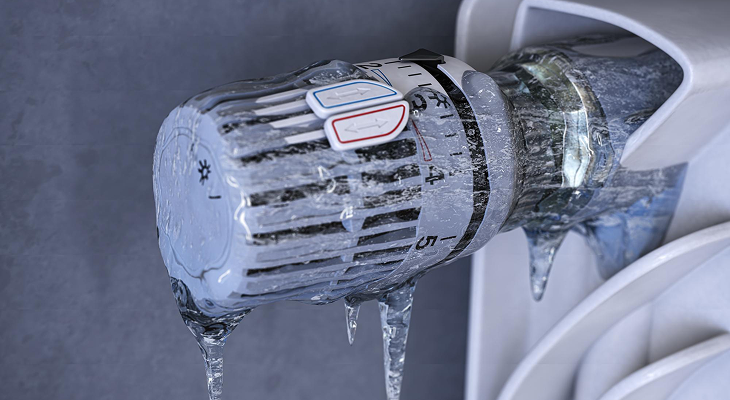
Winter has a way of finding weak spots in a plumbing system.
Most winter plumbing problems don’t start with a burst pipe. They start with something that seems easy to brush off—a slow faucet, a drop in water pressure, or plumbing that suddenly isn’t performing the way it normally does.
As we discussed in our guide on how to know if a pipe is about to burst, small warning signs are often easy to dismiss until a larger plumbing problem develops.
Understanding how cold weather affects your plumbing can help you identify issues earlier and reduce the risk of costly repairs.
Why Does Cold Weather Put Plumbing at Risk?
Cold temperatures can place additional stress on plumbing systems, increasing the risk of frozen pipes, restricted water flow, and burst pipes. Most homeowners associate winter plumbing problems with pipes freezing solid. While that can certainly happen, the risk often starts before that point. Cold weather tends to expose plumbing problems that may have gone unnoticed during the rest of the year. A pipe that performs perfectly well in the fall can suddenly become a concern once temperatures drop. That’s one reason winter tends to generate more plumbing emergencies than many homeowners expect. The cold itself isn’t always the problem. It’s how the plumbing system responds to prolonged exposure to it.Which Pipes Are Most Vulnerable During Winter?
Pipes located in colder parts of the home are often the most vulnerable during winter. Not every pipe faces the same level of exposure. Some are naturally protected by the heated areas of a home, while others are located much closer to outdoor temperatures. Areas that commonly present a higher risk include:- Pipes running through unheated garages.
- Plumbing located inside exterior walls.
- Crawl spaces.
- Basements with limited insulation.
- Utility rooms that are not consistently heated.
- Exposed piping near windows, vents, or exterior openings.
What Are the Early Signs of a Frozen Pipe?
Reduced water flow, unusual sounds, and frost on exposed pipes can all be early signs that a pipe is beginning to freeze. In many situations, homeowners notice that something feels different before they realize a pipe is affected by the cold. A faucet may not perform normally, water pressure may drop unexpectedly, or unusual noises may occur when water is running. Common warning signs include:- Reduced water flow from faucets.
- Lower water pressure than usual.
- Frost forming on exposed pipes.
- Unusual banging, whistling, or gurgling sounds.
- Sections of plumbing that feel unusually cold.
- Faucets that stop producing water altogether.
Can Frozen Pipes Always Be Prevented?
No. Frozen pipes can’t always be prevented, especially during periods of extreme cold. However, there are practical steps homeowners can take to reduce the risk. Many winter plumbing emergencies don’t happen because a homeowner did something wrong. They often occur when a vulnerable section of plumbing is exposed to colder temperatures for longer than expected. Simple preventative measures can help lower the risk, including:- Keeping indoor temperatures consistent during cold weather.
- Opening cabinet doors beneath sinks located on exterior walls.
- Sealing drafts near plumbing lines where possible.
- Disconnecting and draining outdoor hoses before winter.
- Insulating exposed pipes in colder areas of the home.
- Paying attention to changes in water pressure or flow.
When Should You Call a Plumber?
You should call a plumber as soon as you suspect a pipe has frozen, burst, or been damaged by cold weather. Winter plumbing problems have a way of convincing homeowners they’re not that serious. A faucet slows down. Water pressure drops. A pipe freezes but nothing is leaking. So people wait. The problem is that frozen pipes don’t always announce themselves with a burst right away. By the time water starts showing up on a floor, ceiling, or wall, the damage may already be done. It’s usually worth contacting a plumber if:- A faucet stops producing water.
- Water pressure changes suddenly during cold weather.
- You suspect a pipe has frozen.
- A pipe has already burst.
- Water stains or moisture begin appearing unexpectedly.
- You’re unsure whether a section of plumbing has been affected.