Ensuring Safety In Boiler Installation: Best Practices And Regulation
Mar 29, 2024
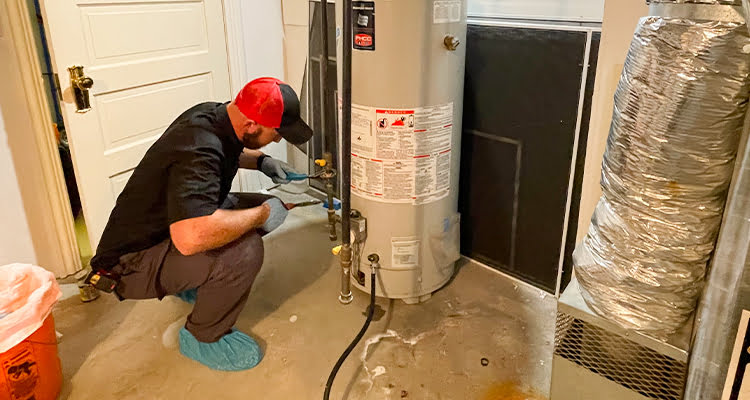
Safety is paramount in heating systems, especially regarding boiler installation. Whether for residential or commercial settings, ensuring the proper setup and maintenance of boilers is crucial for avoiding accidents and ensuring efficiency. One key player in this process is the professional plumbing contractor.
These experts play a vital role in guaranteeing that boilers are installed correctly, following best practices and regulations to the letter. In this blog post, we’ll delve into the essential aspects of boiler installation safety, highlighting the importance of working with a competent plumbing contractor for a job done right.
Site Assessment
Before installing a boiler, it is important to conduct a thorough site assessment to determine the suitability and feasibility of the location. The site assessment should include:- Evaluating the existing heating system and its compatibility with the new boiler
- Measuring the available space and clearance for the boiler and its components
- Checking the condition and capacity of the electrical, gas, water, and drainage systems
- Identifying any potential hazards or obstacles that could interfere with the installation
- Choosing the optimal location and orientation for the boiler and its venting system
Sizing Accuracy
Another crucial factor for boiler installation is sizing accuracy. Sizing accuracy refers to selecting the right boiler size and capacity for the heating needs and demands of the building. A boiler that is too small or too large can cause various issues, such as:- Insufficient or uneven heating
- Frequent cycling and short cycling
- Increased energy consumption and costs
- Reduced boiler lifespan and reliability
- Higher emissions and noise levels
Material Quality
The quality of the materials used for boiler installation is also vital for ensuring safety and durability. The materials should be:- Compatible with the boiler type and model
- Resistant to corrosion, erosion, and thermal stress
- Able to withstand high temperatures and pressures
- Easy to install, maintain, and repair
- Compliant with the relevant standards and codes
Code Compliance
Code compliance is another essential aspect of boiler installation that ensures safety and legality. Code compliance means following the rules and regulations set by the local, state, and federal authorities for boiler installation, operation, and maintenance. These rules and regulations may vary depending on the location, type, and size of the boiler, but they generally cover:- Boiler design and specifications
- Boiler installation and inspection
- Boiler testing and certification
- Boiler operation and maintenance
- Boiler safety and emergency procedures
Post-Installation Testing
The final step for boiler installation is post-installation testing. Post-installation testing verifies and validates the boiler’s functionality, performance, and safety after it is installed. Post-installation testing should include:- Checking the boiler connections and components for any leaks, cracks, or defects
- Testing the boiler controls and settings for accuracy and responsiveness
- Measuring the boiler output and efficiency for consistency and adequacy
- Monitoring the boiler emissions and noise levels for compliance and acceptability
- Reviewing the boiler documentation and warranty for completeness and validity